
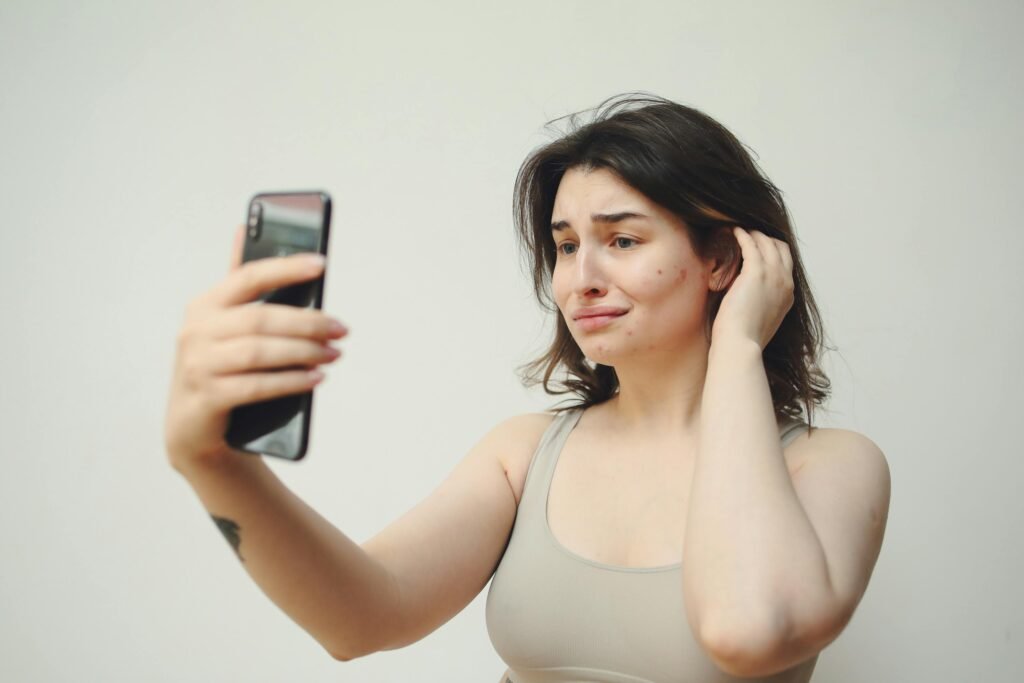
Acne
Acne breakouts can happen anywhere on your skin. The most common sites include the face and neck, shoulders, back, and chest.
01) What is Acne ?
- Acne, or acne vulgaris, is a skin condition in which the follicles become clogged with sebum (the oil produced, pustules, blackheads, whiteheads, cysts, or nodules, and you can commonly find it on your face, chest, back, and shoulders. Acne vulgaris, the most common type of acne, usually has mild to moderate symptoms. But when left unchecked, acne leads to deep scars and hyperpigmentation and may even affect your self-esteem.
- Acne is a common skin condition that causes spots or pimples on your face, neck, back or chest.
- Acne most commonly affects people between 16 and 18 years of age.
- There are different types of acne – it can be mild, moderate or severe.
- Untreated acne can leave you with skin scars – it is important to get treatment.
- If your acne is severe, your doctor may refer you to a dermatologist (skin specialist), who may prescribe medicines.
02) What causes acne ?
Acne is caused by clogging within the hair follicle caused by exfoliation of skin cells. Oil, or sebum excreted from the oil-producing gland through a small duct into the hair follicle leading to its blockage. These factors include :
• Sebum, or Oil, is produced by sebaceous glands in the upper layers of the skin and functions as a skin barrier.
• Dead Skin Cells : Typically, the skin sheds dead cells to make room for new skin cells. Within a hair follicle, this shedding can cause accumulation and blockage, resulting in acne formation, redness, and discomfort.
• Clogging of Hair Follicles : When excess sebum production is observed, there is an increased growth, reproduction and accumulation of skin cells in the hair follicles.
Blackheads or whiteheads develop when the sebum and skin cells accumulate in the microcomedo. Microcomedos are invisible to the naked eye, but they are the primary source for developing comedones.
• Bacteria : Natural bacteria that live in hair follicles and on the skin contribute to the accumulation of blockages and the development of acne.
• Inflammation and the Immune Response: The body’s immune system responds to bacterial infection or foreign substances entering the body, leading to tissue inflammation and red, swollen acne.
• Hormonal Changes: Androgenic steroids are increased during puberty, stimulating the sebum production and causing acne in both genders. Hormonal changes in woman during midlife or pregnancy may lead to the acne breakout.
03) Acne Symptoms :
Let’s discuss acne symptoms. Usually, acne appears on the face, forehead, upper back, chest and shoulders. The sings of acne can be different based on its severity. Among them, a few common symptoms are listed below.
- Tiny red and tender bumps (papules)
- Pimples with pus at the tip (pustules)
- Whiteheads (clogged tiny pores)
- Blackheads (tiny open bumps filled with excess oil and dead skin cells
- Solid, painful lumps beneath the skin
- Pus-filled lumps under the skin cause pain
04) How many types of acne ?
There are 2 main types of acne: non-inflammatory and inflammatory acne.
1. Non-inflammatory Acne
- Comedones are acne caused by the accumulation of excess sebum, dead skin cells, or debris in the hair follicles. There are 2 comedone types:
- Whiteheads are clogged pimples caused by internal factors such as hormonal levels, blockages by oil glands, cosmetics, dust, and air pollution, resulting in white bumps under the skin leading to inflammation and inflamed acne.
- Blackheads are open comednes caused by excess sebum, hair follicles, skin follicles, and dead skin cells that clog pores and react with oxygen and melanin, or pigment, in the skin to form visible blackheads. Blackheads are the most common and least serious type of acne.
- Pimples are commonly found on the face, appearing as small bristles caused by a hair follicle containing many small hair tufts within the same hole. It occurs when the hair follicle becomes clogged with fat and dead skin cells.
- Acne aestivalis (Acne Mallorca) is an open-head acne caused by UVA rays and heat from sunlight or hot temperatures, and it appears as a small, pimple-like lump or red bump-like inflamed acne.
2. Inflammatory acne
• Papules are inflammatory acne that is dark red to purple, darker than the natural skin. They are painful acne, usually caused by whiteheads infected by bacteria triggering severe inflammation.
• Pustules, or yellowheads, are inflammatory acne that appears as a large, red, swollen bump at the base with yellow, swollen pus on top. They form when white blood cells die after engulfing bacteria, causing inflammation and pus formation . Pustules can be small or large.
• Nodules, or acne nodules, are severe inflammatory pimples beneath the skin’s surface. They resemble the larger versions of cystic acne but are smaller, with red nodules nodules that feel like hard lumps under the skin without a head. It’s most common on the face, back, and chest. Treating nodules takes time and may result in scarring.
• Malassezia folliculitis occurs when the hair follicles become inflamed due to a fungal infection caused by Malassezia species. It appears like red bumps with itching, influenced by hot and humid weather or a weakened immune system.
• Acne conglobata is a severe inflammatory acne characterized by large solid nodules of acne that develop from the inflammation of the sebaceous glands under the skin of the face producing more sebum than usual until it becomes clogged pores, swollen acne with severe pain even without pressing. The pain can extend to the surrounding skin and may not subside quickly. It is advisable to consult a dermatologist and treatment.
• Acne cysts are large, red, and raised pimples with a pocket of pus and blood underneath. They occur due to severe inflammation beneath the skin’s surface. Acne cysts are the most painful type of acne, with many heads clustered together to from a solid cyst that can enlarge to a larger size. Left untreated, it can lead to chronic acne, scars, or large pitted holes. It is crucial to see a dermatologist for diagnosis and treatment .
• prevention
05) How can i prevent acne ?
You can’t completely acne, especially during hormone changes, but you can reduce risk of developing acne by :
• Washing your face daily with warm water and a facial cleanser.
• Using an oil-free moisturizer .
• Wearing ” noncomedogenic” makeup products and removing and removing makeup at the end of each day.
• Keeping your hands away from your face .
06) How to Get Rid of Acne : Home Remedies for Pimples
⦿ Sport Treat with Tea-Tree Oil
Tea Tree Oil is an essential obtained from the leaves of the Melaleuca alternifolia plant, a woody shrub that’s native to Australia. Its oil is thin , clear to yellow in color, with a striking camphorous, medicinal oder.
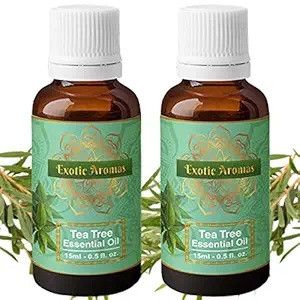
Get More Details
Click Here
Tea tree oil is also known as :
- Melaleuca Oil
- Ti Tree Oil
To use tea tree oil to treat acne :
Opt for a therapeutic grade tea tree oil from a reputable company.