10 Proven Skincare Secrets for clear & Glowing Skin in the USA
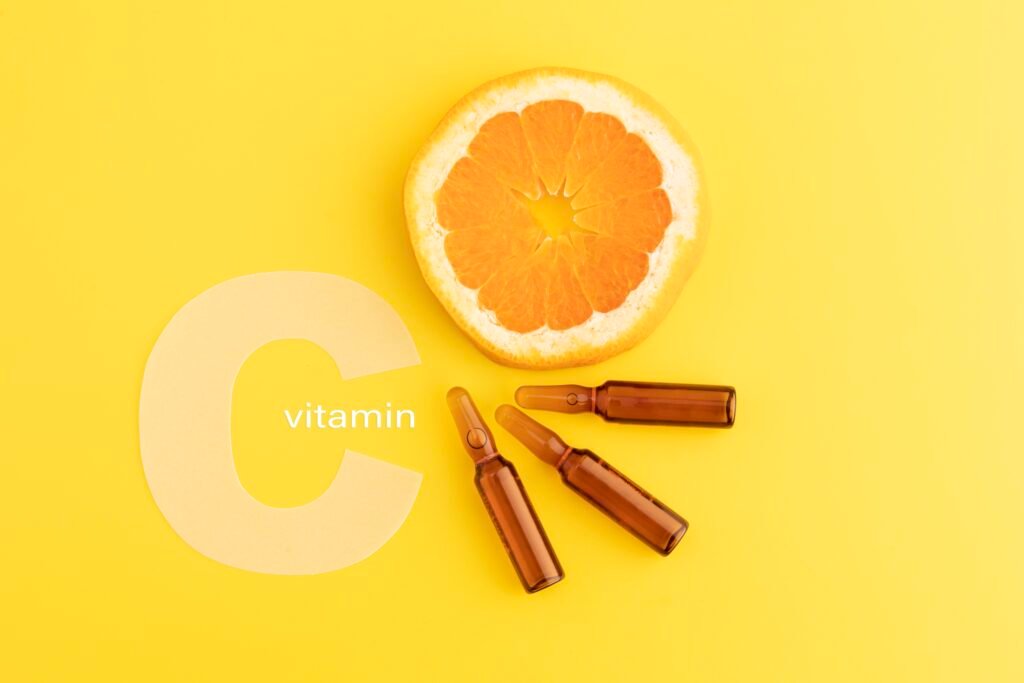
10 Proven Skincare Secrets for Clear & Glowing Skin in the USA Clear, glowing skin isn’t just about beauty – it reflects overall health and consistency in your daily habits. In the United States, people face unique skincare challenge due to diverse climates, fast-paced lifestyles, and environmental exposure. From harsh winters in northern states to intense sun in places like California and Texas, your skin constantly adapts. Add pollution, stress, and diet into the mix, and it’s easy to see why many struggle with breakouts, dullness, and premature aging. At Glossyness, we focus on practical, science-backed skincare that works in real life – not complicated routines or expensive trends. This detailed guide will help you understand your skin deeply and build a routine that delivers long-term results. Why Skincare is Different in the USA The U.S. has a wide range of environment conditions that directly affect skin health: Cold Winters – Cause dryness, flaking, and irritation Strong UV Exposure – Leads to sun damage and early aging Urban Pollution – Clogs pores and triggers acne Indoor Heating & AC – Dehydrates skin over time 👉 Because of these factors, a “one-size-fits-all” routine doesn’t work. Your skincare must evolve with your environment. 1. Know Your Skin Type First Understanding your skin type is the most important step in building an effective skincare routine. Many people invest invest in expensive products but still don’t see results simply because those products are not suitable for their skin. Using the wrong formulation can: Disrupt your skin barrier Cause breakouts or irritation Make dryness or oiliness worse Main Skin Types Explained in Detail: Oily Skin: This type produces excess sebum (natural oil), which often leads to a shiny appearance – especially on the forehead, nose, and chin, People with oily skin are more prone to acne, blackheads, and enlarged pores. Dry Skin: Dry skin lacks natural moisture and often feels tight, especially after washing. It may appear dull, rough, or flaky dry or normal. It requires a balanced approach rather than heavy or overly drying products. Combination Skin: This is the most common skin type. Typically, the T-zone (forehead, nose, chin) is oily, while the cheeks remain dry or normal. It requires a balanced approach rather than heavy or overly drying products. Sensitive Skin: Sensitive skin reacts easily to products, weather changes, or stress. Symptoms include redness, itching, burning, or irritation. It requires gentle, fragrance-free formulations. How to Identify Your Skin Type: A simple method: Wash your face with a mild cleanser Pat dry and leave it bare Wait for 30 minutes Then observe: Shiny all over ➜ Oily skin Tight and dry ➜ Dry skin Oily T-zone only ➜ Combination skin Red or irritated ➜ Sensitive skin 👉 Pro Tip: Your skin type isn’t permanent. It can change due to age, hormones, climate, stress levels, and even diet. That’s why it’s important to reassess your skin regularly. 2. Double Cleansing – The Secret to Truly Clean Skin Double cleansing has become a highly recommended skincare method because it ensure a deeper and more effective cleanse without harming the skin barrier. Many regular cleansers cannot fully remove; Sunscreen Makeup Excess oil Pollution particles Step-by-Step Breakdown: Step 1: Oil-Based Cleanser This step dissolves oil-based impurities like makeup, sunscreen, and sebum. Oil attracts oil, making it highly effective without harsh scrubbing. Step 2: Water-Based Cleanser This removes that sweat, dirt, and remaining residue from the skin, leaving it fresh and clean. Why It Works: Prevents clogged pores Reduces acne and blackheads Keeps skin clean without over-drying 👉 This method is especially useful if you wear sunscreen daily or live in polluted or urban environments. 3. Hydration vs Moisturization One of the biggest misconceptions in skincare is confusing hydration with moisturization. They are not the same – and your skin needs both. Key Difference: Hydration: Refers to increasing water content in the skin Moisturization: Refers to sealing that hydration and preventing water loss Why This Matters: Even oily skin can be dehydrated. When your skin lacks water, it may actually produce more oil to compensate – leading to breakouts: Best Hydrating Ingredients: Hyaluronic Acid: Attracts and holds water in the skin Glycerin: Draws moisture from the environment into the skin Aloe Vera: Soothes and hydrates naturally Practical Tip: Use a hydrating serum first, then apply a moisturizer to lock everything in. 👉 This step is especially important in dry climates or air-conditioned environments where skin loses moisture quickly. 4. Sunscreen is Non-Negotiable If you do only one thing for your skin – make it sunscreen. It is the most effective way to prevent premature aging and long-term skin damage. What Happens Without Sunscreen: Wrinkles and fine lines appear faster Dark spots and pigmentation develop Skin tone becomes uneven Risk of skin cancer increases What to Look For: SPF 30 or higher Broad-spectrum protection (UVA + UVB) Lightweight, non-greasy formula Important Facts: UV rays are present even on cloudy days They can pass through glass Indoor exposure still counts 👉 Applying sunscreen daily is one of the simplest yet most powerful skincare habits. 5. Use Active Ingredients Smartly Active ingredients are powerful compounds designed to target specific skin concerns. However, improper use can do more harm than good. Common Actives and Their Benefits: Vitamin C: Brightens the skin, reduces dullness, and protects against environmental damage. Retinol: Improves skin texture, reduces wrinkles, and boosts collagen production. Niacinamide: Controls oil, reduces redness, and minimizes the appearance of pores. How to Use Them Safely: Start slowly (2-3 times per week) Introduce one active at a time Always do a patch test before full use Common Mistake: Using too many actives together can lead to: Irritation Dryness Breakouts 👉 Consistency and patience are key when using actives. 6. Exfoliation – Less is More Exfoliation helps remove dead skin cells, revealing smoother and brighter skin underneath. However, overdoing it is one of the fastest ways to damage your skin. Type of Exfoliation: 1. Physical Exfoliation: Scrubs that manually remove dead skin. Can be
10 Proven Skincare Secrets for clear & Glowing Skin in the USA Read More »