glossyness.com

Hair Care

How to Stop Hair Fall Naturally at home

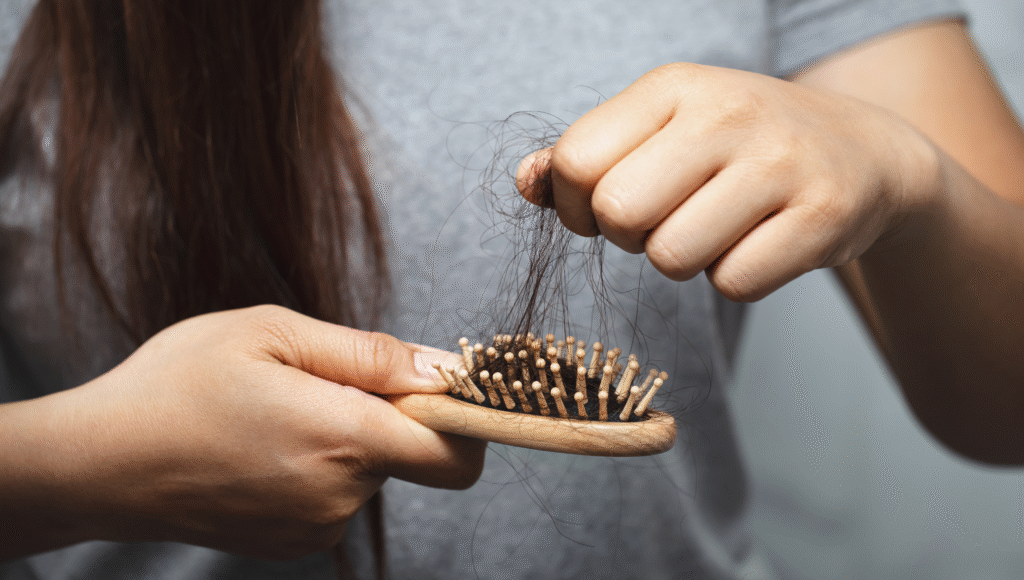
How to Stop Hair Fall Naturally at Home (Complete Guide) Hair fall is one of the most common problems faced by both men and women today. Whether it’s due to stress, pollution, poor diet, or improper hair care, losing hair every day can be frustrating and stressful. The good news is-you don’t always need expensive treatments or chemical products. You can control hair fall naturally at home with simple remedies and lifestyle changes. In this guide, you’ll learn effective, natural, and safe ways to stop hair fall and promote healthy hair growth. Understanding Hair Fall: What’s Normal? Before trying to stop hair fall, it’s important to understand what is normal. Losing 50-100 strands of hair daily is completely normal. However, if you notice excessive hair on your pillow, comb, or shower drain, it might be a sign of a deeper issue. Comm0n Causes of Hair Fall (Detailed Explanation) Hair fall usually doesn’t happen suddenly without any reason. Most of the time, it is a result of multiple internal and external factors working together. Understanding the root cause is the first step to controlling hair fall effectively. 1. Nutritional Deficiency Your hair needs proper nutrition to stay strong and healthy. When your body lacks essential nutrients like protein, iron, zinc, and vitamins, your hair becomes weak and starts falling out more than usual. For example, low iron levels (especially common in women) can reduce oxygen supply to hair follicles, making them weak. Similarly, lack of protein affects hair structure because hair is primarily made of keratin (a type of protein). Signs you may notice: Weak and brittle hair Increased hair shedding Slow hair growth Maintaining a balanced diet is crucial to prevent this type of hair fall. 2. Stress and Anxiety Mental stress is one of the biggest hidden reasons behind hair fall. When you are stressed, your body produces stress hormones that can push hair follicles into a resting phase, leading to excessive hair shedding. This condition is often temporary but can become serious if stress continues for long time. Common triggers: Emotional stress Work pressure Lack of sleep Overthinking Managing stress through relaxation techniques can significantly improve hair health. 3. Hormonal Imbalance Hormones play a major role in hair growth. Any imbalance-especially in women-can lead to hair thinning and hair fall. This is commonly seen during: Pregnancy Menstruation irregularities PCOS (Polycystic Ovary Syndrome) Thyroid disorders Hormonal hair fall usually requires proper diagnosis and sometimes medical support. 4. Poor Hair Care Routine Using the wrong hair care products or following unhealthy habits can damage your hair over time. Common mistakes include: Using harsh chemical shampoo Frequent heat styling (straighteners, curlers) Over-washing or under-washing hair Rough towel drying These habits weaken hair roots and lead to breakage and hair fall. 5. Pollution and Dirt Environmental pollution is another major factor that affects hair health. Dust, dirt, and harmful pollutants settle on your scalp and clog hair follicles. This can lead to: Scalp infections Dandruff Weak hair roots Regular cleaning and proper scalp care are essential to protect you hair from environmental damage. Best Natural Remedies to Stop Hair Fall Natural remedies are safe, affordable, and effective when used consistently. Here are some of the best home treatments explained in detail: 1. Coconut Oil Massage Coconut oil is rich in fatty acids and deeply nourishes the scalp. It penetrates the hair shaft and reduces protein loss. How to use: Take 2-3 tablespoons of coconut oil Warm it slightly (not too hot) Gently massage into your scalp using fingertips Leave overnight or at least 1 hour before washing Benefits: Improves blood circulation Strengthens hair roots Reduces dryness and breakage Pro Tip: Use it 2-3 times a week for best results. Onion juice is known for its high sulfur content, which collagen production and improves hair growth. How to use: Blend or grate an onion and extract the juice Apply directly to the scalp using cotton Leave for 20-30 minutes Wash with a mild shampoo Benefits: Strengthens hair follicles Promotes regrowth Reduces hair thinning Tip: Use once or twice a week to avoid scalp irritation. 3. Aloe Vera for Hair Health Aloe vera has soothing and healing properties that improve scalp How to use: Take fresh aloe vera gel Apply directly to your scalp Leave for 30-40 minutes Rinse with lukewarm water Benefits: Reduces dandruff Balances scalp pH Makes hair soft and shiny 4. Fenugreek (Methi) Hair Mask Fenugreek seeds are packed with protein and nutrients that strengthen hair roots. How to use: Soak 2 tablespoons of methi seeds overnight Grind into a smooth paste Apply to scalp and hair Leave for 30 minutes, then rinse Benefits: Prevents hair thinning Improves hair texture Adds natural volume 5. Egg Hair Mask Eggs are a great source of protein and biotin, essential for hair strength. How to use: Mix 1 egg with 1 tablespoon olive oil Apply evenly to hair and scalp Leave for 20 mintues Wash with cool water (avoid hot water) Benefits: Repairs damaged hair Adds shine Reduces breakage Healthy Diet for Hair Growth (Expanded) A proper diet plays a major role in controlling hair fall. Without internal nourishment, external treatments won’t be fully effective. Key Nutrients You Need: Protein: Builds hair structure (eggs, fish, lentils) Iron: Improves oxygen supply to hair roots (spinach, beetroot0 Vitamin C: Helps iron absorption (oranges, lemon) Biotin: Strengthens hair (nuts, bananas) Omega-3 Fatty Acids: Nourishes scalp (flaxseeds, walnuts) Extra Tip: Drink at least 7-8 glasses of water daily. Hydration keeps your scalp healthy and prevents dryness. Lifestyle Changes to Reduce Hair Fall 1. Reduce Stress stress control is essential. Practice yoga, meditation, or even simple breathing exercises daily. 2. Get Proper Sleep Your body repairs itself during sleep. Aim for 7-8 hours of quality sleep every night. 3. Avoid Heat Styling Excessive heat damages hair proteins and causes breakage. Try to air-dry your hair whenever possible. 4. Use Mild Shampoo Always choose a sulfate-free and gentle shampoo to avoid scalp irritation. 5. Don’t Tie Hair Too Tight

How to Stop Hair Fall Naturally at home Read More »
benefits of aloe vera for hair growth

Aloe Vera for Hair Growth : Benefits & How to Use

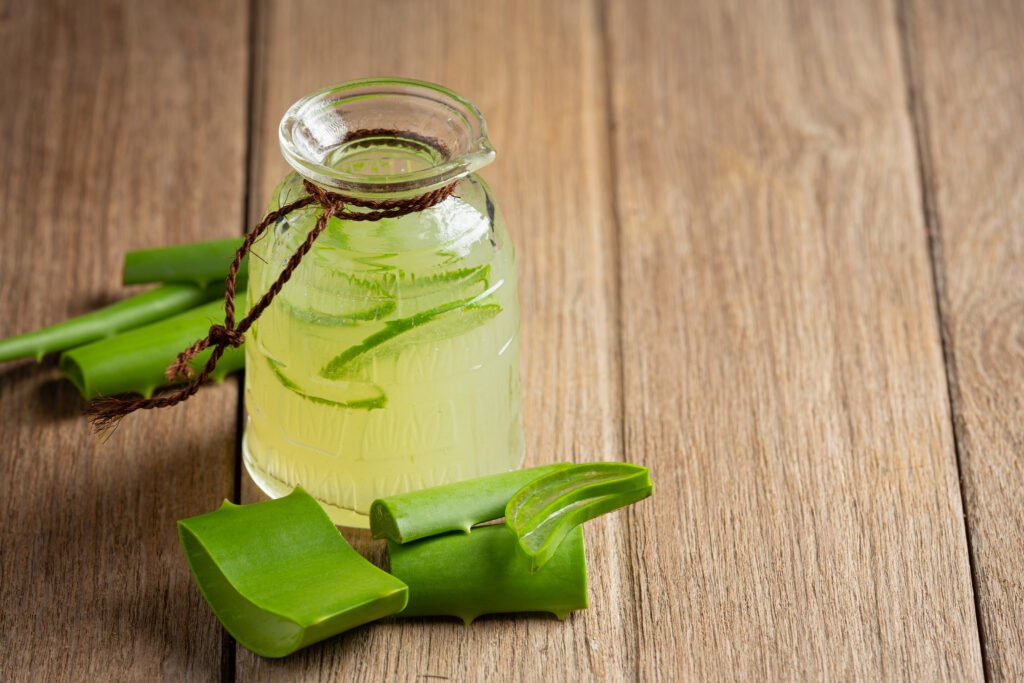
⦿ How to Use Aloe Vera for Faster Hair Growth and Thickness Aloe vera for hair growth is one of the most popular natural remedies used in hair care. This powerful plant contains vitamins and enzymes that help nourish the scalp, reduce hair fall, and improve hair. Healthy, thick, and shiny hair is something many people want, but problems like hair fall, dandruff, dryness, and slow hair growth have become very common today. Pollution, stress, unhealthy food habits, and excessive use of chemical hair products can damage the scalp and weaken hair roots. Because of these problems, many people are now looking for natural remedies that are safe and effective. One of the most trusted ingredients for hair care is aloe vera. Aloe vera has been used for centuries in traditional medicine and beauty treatments. Its nutrient-rich gel can nourish the scalp, strengthen hair roots, and improve overall hair health. In this complete guide, you will learn how aloe vera helps hair growth, its benefits, and the best ways to use aloe vera gel for thicker and healthier hair. ◎ What is Aloe Vera and Why Is It Good for Hair? Aloe vera is a succulent plant known for its thick, fleshy green leaves that contain a clear gel inside. This gel has a smooth and slightly slippery texture and is widely used in skin care, hair care, and natural medicine. The gel is packed with important nutrients that support healthy hair growth and scalp health. Some of the key nutrients present in aloe vera include: Vitamin A Vitamin C Vitamin E Vitamin B12 Folic acid Amino acids Antioxidants High water content These nutrients help repair damaged hair, hydrate the scalp, and support stronger hair growth naturally. ◈ Benefits of Aloe Vera for Hair GET MORE DETAILS! CLICK HERE   Before learning how to use aloe vera, it is important to understand why it is so effective for hair care. 1. Supports Healthy Hair Growth Aloe vera helps improve blood circulation in the scalp. Better blood flow allows hair follicles to receive more oxygen and nutrients, which encourages stronger and faster hair growth. 2. Strengthens Hair Roots The vitamins and minerals found in aloe vera nourish the hair roots and reduce breakage. Stronger roots mean less hair fall and healthier hair over time. 3. Helps Reduce Dandruff Dandruff is often caused by dryness or fungal infections on the scalp. Aloe vera has natural antifungal and antibacterial properties that help soothe the scalp and reduce dandruff . 4. Moisturizes the Scalp Aloe vera acts like a natural conditioner. It hydrates the scalp and helps prevents dryness, which is important for maintaining healthy hair. 5. Improves Hair Texture Regular use of aloe vera can make hair smoother, soft, and shinier. It also helps repair damage caused by heat styling or chemical treatments. ◉ How to Extract Fresh Aloe Vera Gel Using fresh aloe vera gel is one of the best way to get maximum benefits for your hair. Follow these simple steps: Take a fresh aloe vera leaf from the plant. Wash the leaf properly to remove dirt. Trim the scalp edges on both sides. Cut the leaf lengthwise. Use a spoon to scoop out the clear gel inside. ⚠️ Tip: Remove the yellow latex layer because it may cause scalp irritation for some people. ◇Best Ways to Use Aloe Vera Gel for Hair Growth   There are several effective ways to include aloe vera in your hair care routine. 1. Aloe Vera Gel for Scalp Massage This is one of the simplest and most effective methods . Steps Take 2-3 tablespoons of fresh aloe vera gel. Apply it directly to your scalp. Massage gently using your fingertips for 5-10 minutes. Leave it on your scalp for 30-60 minutes. Wash your hair using a mild shampoo. Frequency Use this treatment 2-3 times per week for best results. Benefits Improves blood circulation Strengthens hair roots Supports natural growth 2. Aloe Vera and Coconut Oil Hair Mask Combining aloe vera with coconut oil creates a powerful hair mask that deeply nourishes the scalp . Ingredients 2 tablespoons aloe vera gel 1 tablespoon coconut oil Steps Mix aloe vera gel and coconut oil in a bowl . Apply the mixture to your scalp and hair . Massage gently for a few minutes . Leave it for about 40 minutes . Wash your hair with a mild shampoo . This mask helps reduce dryness and makes hair softer and thicker. 3. Aloe Vera and Onion Juice Treatment Onion juice is known to support hair growth because it contains sulfur, which strengthens hair follicles. Ingredients 2 tablespoons aloe vera gel 1 tablespoon onion juice Steps Mix both ingredients properly. Apply the mixture to your scalp. Leave it for about 30 minutes. Wash your hair with shampoo. This treatment can help reduce hair fall and stimulate new hair growth . 4. Aloe Vera and Castor Oil Hair Treatment Castor oil is often used to improve hair thickness and strength. Ingredients 2 tablespoons aloe vera gel 1 tablespoon castor oil Steps Mix the aloe vera gel and castor oil together. Apply it to your scalp and hair. Massage gently for a few minutes. Leave it overnight if possible. Wash your hair in the morning . Regular use can help make hair thicker and stronger. ☑ Who Should Use Aloe Vera for Hair? Aloe vera can be helpful for people who experience: Hair thinning Hair fall Dry scalp Dandruff Slow hair growth Damaged hair from chemical treatments Because it is natural and gentle, aloe vera is suitable for most hair types. ✲ How Long Does Aloe Vera Take to Show Results? Natural remedies usually require consistency and patience. When aloe vera is used regularly two to three times per week, visible improvements in scalp health and hair texture may appear within 3-6 weeks. However, results may vary depending on hair type, diet, and overall hair care routine. ➱ Tips for Best Results To get the maximum benefits from aloe vera,

Aloe Vera for Hair Growth : Benefits & How to Use Read More »