Frizzy Hair : Causes, How to Get Rid of Frizz, Remedies & Effective Treatments
We consulted experts on the best hair treatments for frizzy hair such as using the love beauty and planet anti frizz shampoo. Here’s their best advice!
01) Understanding Frizzy Hair :
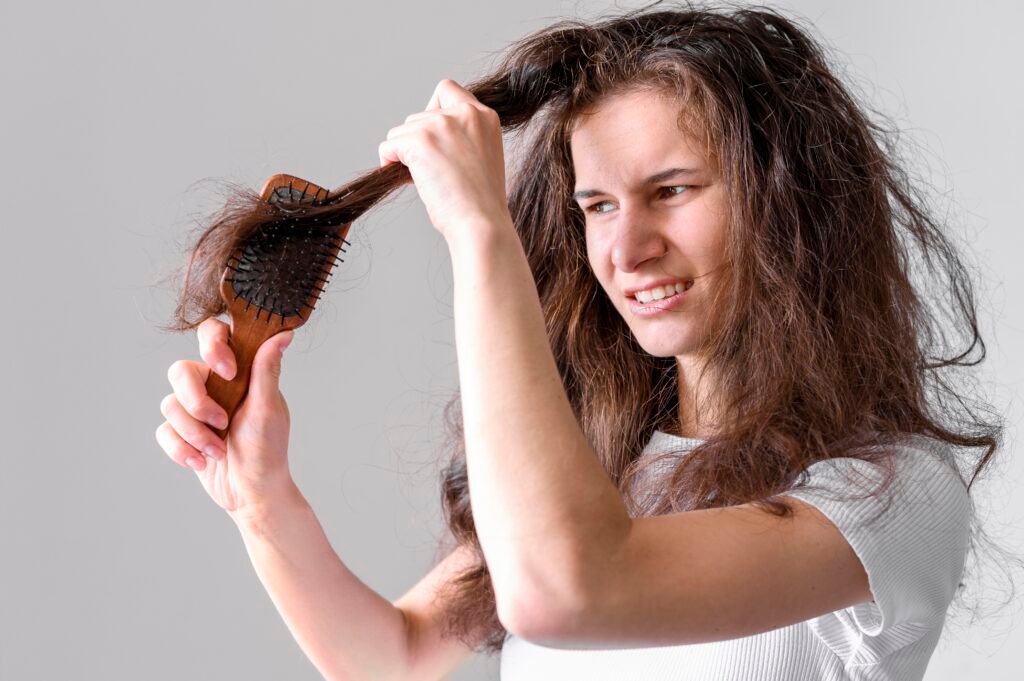
Your hair turning frizzy is not pretty situation, especially when you’ve put in the effort to nourish it. Most of us usually follow hair care routine, use decent hair products, yet, some days, our hair feels dull and unmanageable. Frizz is a common struggle that many of us face, but thankfully, there are ways to manage frizzy hair. Hot and humid weather often aggravates frizz, but by making small changes in how we oil, shampoo, condition our hair, and watch our diets, we can help our hair look and feel the best. Let’s explore what causes frizzy hair in woman and final ways to reclaim that softness and shine we all love.
02) Why Hair Gets Frizzy in Winter ?
- Winter frizz is not just a random seasonal nuisance; it’s a direct response to environmental conditions. Cold air has significantly lower humidity, which means it draws moisture away from your hair. When your hair becomes dry, the cuticle lifts in search of hydration from the surrounding environment, leading to unwanted frizz.
Indoor heating systems worsen the problem by creating an even drier environment. As result, your hair becomes more prone to static, puffiness, and rough texture. This is why so many people report sudden frizzy hair in winter even when their routine remains the same.
Ans yes, if you’re still wondering, ‘Does hair get frizzy in the cold for everyone?,’ the answer is mostly yes, but some hair types feel it more intensely. Curly and wavy hair care naturally drier and lose moisture faster, which explains why curly hair gets frizzy in winter.
03) Common Causes of Winter Frizz
Here are the top factors contributing to frizzy hair during winter and why the problem feels more stubborn during colder months:
1. Lack of Moisture in the Air :Dry hair sucks moisture from the air, resulting in the hair shaft to swell and become frizzy. ” Frizzy hair is a common problem for both men and woman, often making hair look dry, rough, and hard to manage. The main cause of frizzy hair is lack of moisture. Moisture is a natural requirement for hair to remain silky and glossy.
2. Hot Showers : Hot water in winter are tempting but bad for frizzy hair, they strip natural oils, causing dryness and frizz, so use lukewarm water for washing and finish with a cool rinse to seal cuticles and lock moisture, plus use humidifiers, leave-in products, and protect hair from cold air to keep frizz at bay.
3. Indoor Heating : Heaters and blowers create a dry indoor environment, accelerating moisture loss.
4. Friction from Winter Clothing : Woolen scarves, sweaters, and hats can cause friction and static.
5. Chemical Treatments : Colored or chemically treated hair is already vulnerable, making dry frizzy hair in winter more common.
6. Incorrect Hair-Care Routine : Using harsh shampoos or skipping conditioners can worsen frizzy hair significantly.
04) Home Remedies for Frizzy Hair
Furthermore, there are a few home remedies that also help control frizzy hair. They include:
1. Oil Massage :
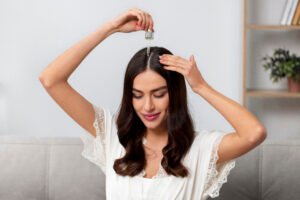 Experts advise doing oil massages at least once a week. Use coconut, argan or jojoba oil for your head massages. “Weekly ” oil massage are one of the best strategies to fight frizz. In addition to strengthening and softening the hair, this traditional treatment also nourishes the scalp. Frizz is immediately reduced by oils since they penetrate the hair expert and founder of Nourish Mantra.
Coconut Oil : This oil is best for penetration and repairing protein loss thanks to its tiny molecular size.
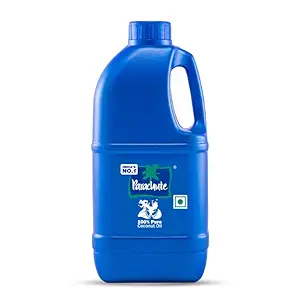
Purchase now !
Click herehttps://amzn.to/4rs2SWG
Argan Oil : This oil is packed with Vitamin E, which is perfect for conditioning and strengthening the hair strands.
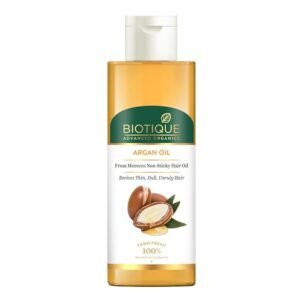
More details https://amzn.to/3OjiPQo
Jojoba Oil : It closely resembles the hair’s natural oils (sebum), making it ideal for balancing scalp and hair moisture.
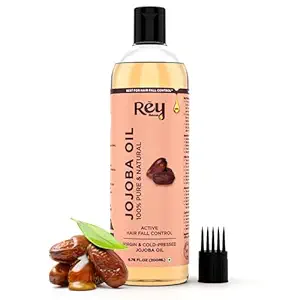
More details !https://amzn.to/3M66Wg0
2. DIY Masks :
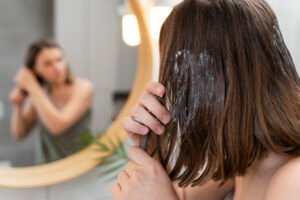 There are a few homemade hair masks for frizzy hair that help hydrate and seal the hair’s outer layer. They include the following:
Avocado and Olive Oil Mask : Mix a ripe avocado with a tablespoon of olive oil and apply to your damp hair. Leave on for 20 minutes, and rinse after you’re done.
Yoghurt and Honey Mask : Combine plain yoghurt with honey and apply it on damp hair for 30 minutes. This mask provides protein from the yoghurt and moisture from the honey.
05) Hair Treatments for Frizzy Hair
There are a number of expert-approved hair treatments to effectively manage frizzy hair, such as:
1. Advanced and Professional Solutions :
- Keratin Treatment : This is a chemical process that smooths your hair strands by closing the porous parts of the the hair shaft with a protein called keratin.
- Nanoplastia Treatment : This is a more natural alternative to keratin. It utilises amino acids and collagen to straighten and nourish the hair strands.
- Hair Botox Treatment : This is a deep conditioning treatment, not a chemical one and is a great way to manage frizzy hair.
2. Hair Masks and Deep-Conditioning Treatments:
- Deep-Conditioning : Experts advise using a deep conditioner or hair mask once a week. Frizz is essentially hair reaching out for moisture. Apply a leave-in conditioner or lightweight serum with argan oil, shea butter , or hyaluronic acid to lock in moisture and tame flya ways. Blot hair with a microfiber towel or cotton T-shirt instead of rubbing with a regular towel.
- Protein Masks : If your hair strands feel weak, opt for a protein mask to strengthen it. Protein masks help by repairing damage to the hair cuticle, which strengthens the strand and minimises breakage and frizziness.
Conclusion
Think winter automatically means frizz Not anymore. Winter doesn’t have to mean battling hair in winter or constantly fixing frizzy hair. Once you understand what causes seasonal frizz and adapt your routine , your hair becomes smoother, softer, and far easier to manage, even in freezing temperatures. With the right care, smart habits, and effective frizzy hair remedies , winter can be just as kind to your hair as it is to your love for cozy sweaters and warm drinks.