
Winter Skin Care Routine : Essential Steps For Protecting Your Skin
Winter can take a toll on your skin, whether oily, dry, or sensitive. Cold air, indoor heating, and biting winds lead to dryness, dryness, dullness, and irritation. It,s essential to adjust your skincare routine for the season to keep your skin healthy and glowing . Hydration and protection become even more important during winter, and using the right products can make all the difference. From gentle cleansers to hydrating serums and rich moisturizer, a well – rounded winter skincare routine helps combat the harsh effects of the season and keeps your skin soft, smooth, and well – nourished.
A)Why Winter Skincare Is Essential
During winter, the skin’s natural moisture barrier can easily be damaged, leading to issues like dryness, redness, or flakiness. This can further cause premature aging, irritation, or sensitivity. That’s why paying attention to your winter skincare routine is more than just aesthetic choice – it’s a way to keep your skin healthy and protected.
B) 6 Common Ways Your Skin Is Affected In The Winter :
1) Dryness
The most noticeable change for most people’s skin in the winter is dryness. Winter air is known for being dry because as the temperature decreases and the humidity levels drop. Winter Dryness is a temporary skin condition caused by low humidity from cold outdoor air and indoor heating, harsh winds, and hot showers, which strip the skin of its natural moisture .
2) Chapped Lips
Dry lips in winter are caused by cold, dry air and indoor heating, which strip moisture from the skin. To prevent and treat them , stay hydrated, use a good lip balm frequently, protect your lips from the elements, and avoid licking or picking at them. Using a humidifier at home can also add moisture to the air .
3)Flare ups
Skin flare-up is a sudden worsening of skin conditions such as acne, eczema, or psoriasis, causing intense discomfort to the person. It will make the skin red, itchy, and inflamed. It can even result in the formation of new bumps, rashes, and blisters. Skin flare-up are usually caused by exposure to irritants, stress, medications, etc. Skin flare-ups are more common in winter because all the above conditions get worsened due to the lack of moisture.
Another common reason for the information of flare-ups during winter is indoor heating. Yes, indoor heating can make the air drier than before, resulting in instant flare-ups.
4) chafing
Chafing is an irritation or superficial abrasion of skin caused by friction, moisture or irritating fabric. Friction from wearing multiple layers of warm winter clothing can irritate the skin. It usually affects areas of the body most prone to repeated friction from skin-to-skin or skin-to-clothing contact, such as the inner things, buttocks, or underarms. It’s often worsened by heat, humidity, sweat, and moisture.
Chafing can be treated and prevented through lifestyle changes, including over-the-counter treatments or certain types of clothing.
5) Sunburn
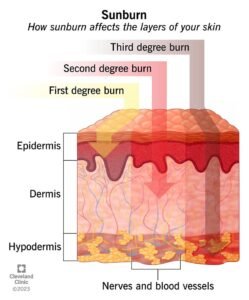
Sunburn is red, painful, damaged skin from being out in the sun for too long. When you get a sunburn, ultraviolet (UV) rays from the sun (or a tanning bed!) burn your skin. You don’t have to spend the day at the beach or pool to get a sunburn. Some people get sunburns doing everyday things without using sunscreen, like taking a lunch break outside, gardening or walking the dog.
Sunburns occur from exposure to the sun’s UV rays or UV light from artificial sources. You can usually treat first-and second-degree sunburns at home . Third-degree sunburns are very rare but need emergency treatment. A sunburn can cause premature skin aging and skin cancer. You can lessen your risk of sunburn by taking steps to protect your skin.
overview
6) Itchy Patches
Itchy patches might not sound like a serious concern, but they can be extremely frustrating, especially when it continues for a long time. The dryness in the environment creates these itchy patches, which are usually characterized by redness in the skin. They are common in skin areas that are exposed to the cold, such as the face, hands, and legs. Itchy patches can also be caused due to psoriasis, eczema, and other allergies, all of which get aggravated in during winter season.
C) How do you identify your skin type ?
Knowing you skin type is essential before setting up a skincare routine .Your skin type will determine the kind of products you should use, especially during the winter.
• Dry Skin : Feels tight, rough, and may flake.
• Oil Skin : Shiny appearance with a tendency to break out.
• Combination Skin : Oil in the T-zone (forehead, nose, chin), but dry elsewhere.
• Sensitive Skin : Easily irritated by products, prone to redness or reactions.
Once you identify your skin type, you can better tailor your winter skin-care routine to meet your skin’s specific needs.
D) Winter skin care routine steps for every skin type
Here are essential steps for the best winter skincare routine, whether you have dry, oily, combination, or sensitive skin.
step 1 : Cleanse Gently
Your skincare routine should always start with a cleanser. If your face feels dry and tight after washing, your face wash is probably too harsh. Cleansing is a crucial first step, but it’s important to switch to a gentle , hydrating face wash in the winter , cleansing removes dirt, makeup, and impurities that strip away moisture ; instead, try a milder, hydrating cleanser with a balanced pH. It will clean your skin without leaving it all dry.
step 2 : Exfoliate To Remove Dead Skin
Cold weather can cause dry, flaky skin, which clogs pores and dulls your complexion. Gently exfoliate once a week to remove dead skin cells and improve product absorption. Avoid over-exfoliating, as it may irritate dry winter skin.
Step 3 : Hydrated With A Toner
Toners help to hydrate and prepare your skin for the next steps in your routine. In winter, choose toners that hydrating ingredients like glycerin or hyaluronic acid. These ingredients lock in moisture and help restore your skin’s natural hydration levels.
Avoid toners with alcohol, which can be drying . Instead, go for a gentle hydrating toner to keep your skin soft and comfortable .
Step 4 : Use A Hydrating Serum
A serum is a must- have for your winter skin care routine. Use one that contains hydrating or antioxidant-rich ingredients to protect your skin from dullness and environmental damage. Face serums benefit by boosting moisture retention and keeping your complexion bright and healthy .
Step 5 : Moisturize For Protection And Hydration
While moisturization is important all through the year, it plays a huge role in keeping your skin healthy in winter. A moisturizer also helps maintain your skin barrier, prevents moisture loss, and protects it against environmental aggressors . While looking at the best skin care of winter moisturizer, look for creamy and rich creams that nourish your skin, protecting it against harsh winter winds.
step 6 : Protect With SPF Even In Winter
Many people tend to skip sunscreen during the winter months, but UV rays are still present. Snow can reflect up to 80% of UV rays, making it just as important to wear sunscreen in winter as in summer . Opt for a broad-spectrum sunscreen with at least SPF 15 to protect your skin .
Step 7 : Treat With Special Masks And Oils
Adding a hydrating face mask or oil into your routine once or twice a week can give your skin the extra boost it needs. Look for products with natural oils like jojoba or almond oil or hydrating ingredients like glycerin.
E) Conclusion
Winter skincare is all about adjusting your routine to meet your skin’s needs during the colder months. By using dermatologist-recommended products like Cetaphil, you can protect your skin from winter’s harsh elements while keeping it hydrated and healthy .
Whether you have dry, oily, combination, or sensitive skin, following these simple steps can help ensure your skin remains soft, smooth, and protected throughout the season. Remember to focus on gentle products that won’t irritate your skin, and don’t forget your SPF, even when it’s cold outside !