
glossyness.com

Skin Care

beetroot

Beetroot Benefits for Skin: How to use it for a Glowing Skin

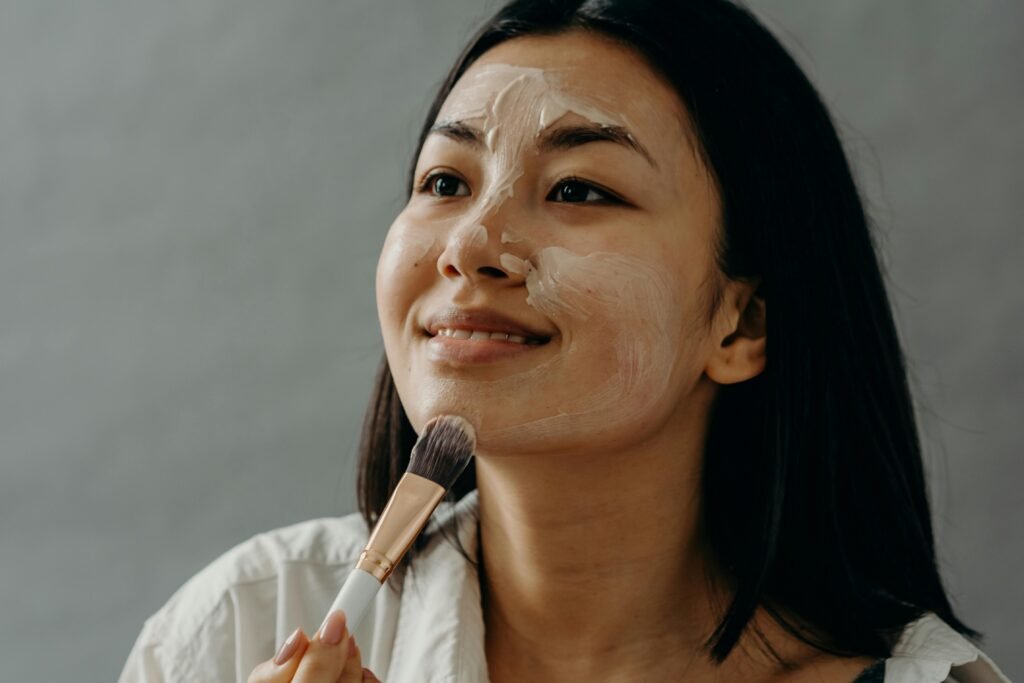
Whether it’s rooted in age-old DIYs or resurfacing in viral reels, beetroot for skin is having a glow-up moment. This vegetable, long used in Indian kitchens, is now the star of many natural skincare routines. But what exactly makes beetroot such a skin superfood? From boosting blood flow to delivering antioxidant-rich nourishment, we break down the beetroot benefits for skin – and explain what the science (and a dermatologist) actually says. 1) Powerful Properties of Beetroot :   ⊚ Antioxidant Properties : It is rich in betalains, an antioxidant that gives it a bright pinkish-red color. The antioxidants present in beetroot help to neutralize harmful free radicals, which might result in speeding the aging process or the development of wrinkles and fine lines. It significantly helps combat oxidative stress and promotes a youthful and glowing skin complexion. ⊚ Anti-inflammatory Properties : Beetroots consist of betaine, a compound known for its anti-inflammatory properties. Some severe skin inflammation can result in redness, itching, acne etc. Hence, beetroot helps to soothe and calm inflamed skin and promote a more even and balanced complexion. ⊚ Boosts Collagen : Beetroots are loaded with vitamins C and E that support collagen production . Thereby, it helps to improve that skin’s elasticity and firmness and gives you glowing and supple skin. ⊚ Excellent Hydration & Nourishment: Beetroot consists of a wide range of nutrients, vitamins, minerals, and antioxidants. All of this help to nourish and hydrate the skin from within, promoting a healthy, glowing complexion. 2) Benefits of Beetroot for Skin : ⊛ Brightens Skin : Enriched with Vitamin C and Vitamin E, beetroot helps in reducing dark spots, acne scars, and blemishes. Being rich in antioxidants, it also evens out skin tone, leaving a natural glow and brightness on your skin. ⊛ Hydrates Skin : Beetroot is good for people having dry skin issue. As Beetroot has 87% water content, it acts as a natural moisturizer and keeps skin naturally moisturized. Applying beetroot juice on the skin deeply hydrates and entering the pores and locking moisture, which makes the skin softer and supple. ⊛ Reduces Dark Circles : It is a rich source of nutrients like iron and vitamin C, helps in preventing dark circles. Consuming beetroot juice regularly detoxifies the body and stimulates blood flow that contributes to reducing dark circles and gives the skin a natural glow. When applied directly to the under-eye area, it also helps lessen puffy eye bags. ⊛ Prevents Acne : Beetroot has antibacterial properties that protect the skin from acne-causing bacteria. The presence of Vitamin C in beetroot helps remove excess oil from the skin, which minimises the risk of acne scars. Adding a Beetroot face wash in your skin care routine is one of the best and easiest ways to prevent acne problems. ⊛ Reduces Skin Inflammation : It consists of anti-inflammatory compounds such as niacin and betaine, which relieves irritated skin and reduces redness caused by various factors. Using beetroot or incorporating beetroot into your diet helps reduce skin inflammation and promotes healthy skin. ⊛ Reduces Ageing Signs : Being rich in Vitamin A and Vitamin C, beetroot is mainly known for its anti-aging properties. Vitamin C boosts the collagen production which enhances elasticity of the skin, giving it a youthful and radiant look. Makeover, Vitamin A in beetroot promotes the tightening of facial tissues, leading to a reduction in fine lines, wrinkles and dull skin. 3) Drinking Beetroot Juice Daily for Skin : Beetroot juice benefits for skin include boosting hydration and delivering antioxidants that support circulation and a natural glow. Pairing beetroot with other nutrient-rich ingredients enhances its benefits : ◈ Beetroot + carrot ➔ beta-carontene for healthy, bright skin. ◈ Beetroot + cucumber ➔ cooling effect and extra hydration.  ◈ Beetroot + lemon ➔ vitamin C to improve iron absorption. How to make beetroot juice for skin (step-by-step)  1. Wash, peel, and chop one medium beetroot. 2. Blend with 1 cup of water and your choice of carrot or cucumber. 3. Add a squeeze of lemon for flavour and enhanced nutrient absorption. 4. Strain if desired and drink immediately – skip added sugar. 4) Eating Beetroot for Healthy, Glowing Skin : ✦ Eat it raw : Grate into salads for an antioxidant boost. ✦ Roast it : Pair with olive oil; healthy fats improve absorption of fat-soluble vitamins . ✦ Cook it : Add to curries, sabzis, or raita for extra fibre and minerals. ✦ Blend it : Make smoothies with fruits for a skin – friendly breakfast . 5) Improve Your Skin Health with The Best Beetroot Remedies : ☆ Beetroot, Turmeric, and Milk Face Pack   Take 1 tablespoons of Beetroot powder, pinch of turmeric powder, and 3-4 tablespoons of milk to make a thick paste  Apply this paste on your face and keep it for almost 20 minutes then rinse it off with water. This face pack is an ultimate remedy for getting rid of dark spots, fine lines, wrinkles, and dark circles.  ☆ Beetroot and Yoghurt Face Mask  Grind few slices of Beetroot and mix it with yoghurt. Apply this mask on your face and keep it for at least 15-20 minutes, then simply rinse it off with water.                                                                                                                                 This face mask is effective as the antioxidants and Vitamin C in beetroot help brighten the skin while lactic acid in yoghurt gently exfoliates .  ☆ Beetroot, Gram-flour and Rose Water : Mix beetroot juice with gram-flour and rose water for a tan-removing, brightening pack. Leave on for 15-20 minutes. Spread the mixture evenly over your face and neck, avoiding the eye area.       Gently wash off with lukewarm water,

Beetroot Benefits for Skin: How to use it for a Glowing Skin Read More »
Sensitive Skin Care in Winter

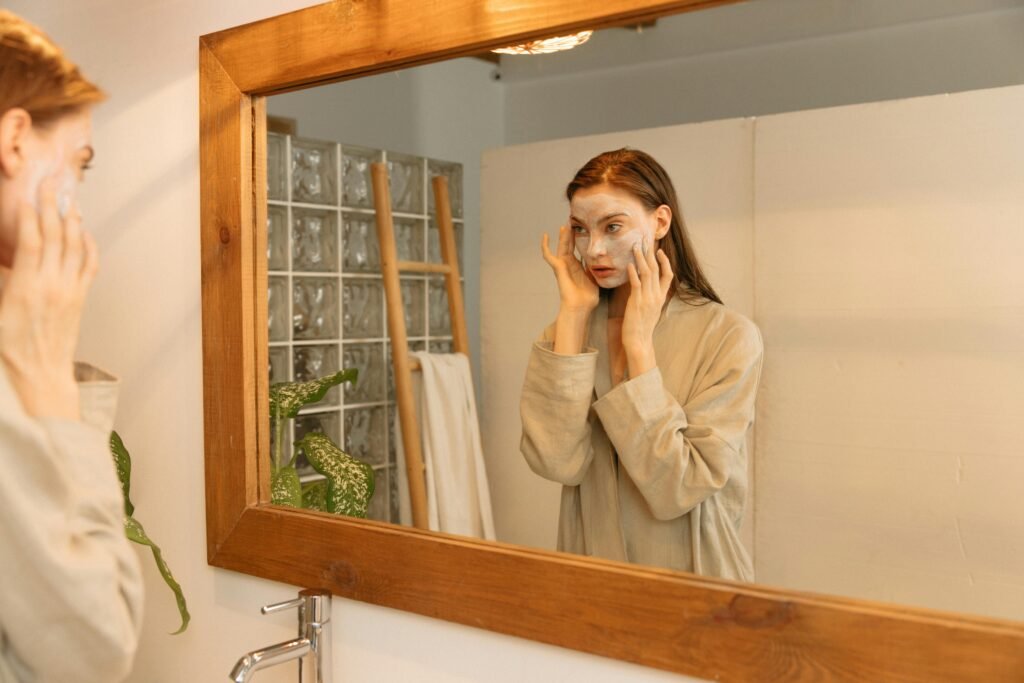
Dealing with  dry, flaky, sensitive skin all at the same time can be challenging. Whether you’re battling seasonal dryness or dealing with ongoing sensitivity, finding the right balance of hydration and care is crucial. That’s why we’ve curated a guide with effective skincare hacks and recommendation to help your skin look and feel at its best. Let’s explore how you can do that!     01) What is Sensitive Skin ?   Sensitive Skin is a hyper-reactive skin state, often self-diagnosed, that feels easily irritated by things others find normal, manifesting as burning, stinging, itching, dryness, redness, or tightness, often with no obvious rash but a weakened skin barrier letting irritants in. To put it simply, your skin is selective. It’ll let you know if it doesn’t like an ingredient in a product that touched it or what’s on with the weather. Your skin will usually stop reacting and return to normal when the irritant goes away and your skin has a chance to calm down .   02) Types of Sensitive Skin : There are Four types of Sensitive skin : 1) Naturally Sensitive Skin Naturally sensitive skin occurs when your skin is genetically predisposed to flare-ups. This type of sensitivity is usually correlated with concerns like eczema and rosacea. While there are products/medications to alleviate this concern, one cannot eliminate the problem. 2) Environmentally Sensitive Skin If your skin cannot tolerate extreme temperature changes, continued sun exposure or air pollution – you most likely have sensitive skin. Environmentally sensitive skin experiences an uncomfortable burning or stinging sensation upon encountering these external stimuli. 3) Reactive Sensitive Skin Have you observed your skin flaring up due to certain skincare, makeup products or detergents? If yes, it turns out you have reactive sensitive skin. You might experience tiny bumps, redness or even itchiness on the topical application of these irritants. 4) Mature or Thin Sensitive Skin As you age, your skin becomes thinner. This dip in collagen production also causes a decrease in natural moisturization making your skin susceptible to irritants, allergens and more. 03) Causes : Healthcare providers aren’t sure o the exact cause of sensitive skin. Research suggests it could happen due to the thinning of your stratum corneum. If you have sensitive skin, the barrier that this layer creates isn’t as strong as it should be. So, things from your environment that usually stay outside of your body can pass through it and irritate the deeper layers of your skin. Environmental Factors : Low humidity outdoors and dry heat ( central heating, heaters) significantly reduce skin, making it flaky and itchy. Harsh Winds : Cold winds strip away skin’s protective oils, damaging the moisture barrier. Hot Showers/Baths : Frequent hot water washes away natural oils, exacerbating dryness. Compromised Skin Barrier : Lack of hydration weakens the skin’s protective layer, increasing sensitivity to irritants. Skincare Products : Harsh soaps, alcohol-based products, or fragranced items disrupt skin pH and oils. Lifestyle : Dehydration (not drinking enough water), stress, lack of exercise, and poor nutrition can worsen  sensitivity. Underlying Conditions : Winter  can trigger or worsen eczema, psoriasis, or even cause allergic reactions like cold urticaria (hives from cold). 04) The Best Skincare Routine for Sensitive Skin in Winter : If you grapple with sensitive skin, here’s a no-frills routine that you can follow. As seen earlier – the best way to reduce episodes of flare – ups is by simplifying your skincare. Let’s try the same with Foxtale’s range of high-performing, innovative and safe formulations. 1) Cleanse Start by gently cleansing your face to the to remove buildup. For sensitive skin, we recommend one of the best dry skin care products – our Hydrating Face Was. It contains sodium hyaluronate and red algae extract that intensely replenish your skin’s moisture bank. This cleanser also doubles as a makeup remover. It contains gentle surfactants that melt every trace of makeup and SPF. 2) Treat After your skin is dry, apply a result-oriented formula. Since sensitivity mostly arises from extreme dryness or impaired barrier – we recommend Foxtale’s Niacinamide for skin. The lightweight formula ensures sustained hydration, prevents clogged pores and soothes inflammation while bolstering the lipid barrier. That’s right. The serum’s topical application increases ceramide production in the skin cells, forming approximately 50% of the barrier. 3) Moisturize To help seal this treatment, use a hydrating, soothing, and non-comedogenic moisturizer. For sensitive skin, we recommend foxtale’s barrier repair cream. It uses ERS technology to deeply nourish and heal your skin. Take a dollop of the formula and massage it onto your skin. Don’t forget to cover your ears, neck and decollete areas. 4) Sun Protect Regardless of your skin type, sun protection is crucial. A broad – spectrum sunscreen shields the skin against harmful UV rays, preventing episodes of burns, tanning, pigmentation, and photoaging. For sensitive skin, we recommend Foxtale’s Dewy sunscreen. It contains D-Panthenol and Vitamin E that ensure long-lasting moisturization for the skin. Conclusion Managing sensitive and flaky skin requires careful consideration of external factors and the right skincare products for your specific needs. Adjusting your everyday skincare routine alongside lifestyle changes. By addressing the unique needs of your skin, you can probably achieve a 10/10 skin!

Sensitive Skin Care in Winter Read More »

Pexels Polina Tankilevitch 5587979 1024x683

How to Cure Acne : Cause, Types, Prevention and Treatment

Acne Acne breakouts can happen anywhere on your skin. The most common sites include the face and neck, shoulders, back, and chest. 01) What is Acne ? Acne, or acne vulgaris, is a skin condition in which the follicles become clogged with sebum (the oil produced, pustules, blackheads,  whiteheads, cysts, or nodules, and you can commonly find it on your face, chest, back, and shoulders. Acne vulgaris, the most common type of acne, usually has mild to moderate symptoms. But when left unchecked, acne leads to deep scars and hyperpigmentation and may even affect your self-esteem. Acne is a common skin condition that causes spots or pimples on your face, neck, back or chest. Acne most commonly affects people between 16 and 18 years of age. There are different types of acne – it can be mild, moderate or severe. Untreated acne can leave you with skin scars – it is important to get treatment. If your acne is severe, your doctor may refer you to a dermatologist (skin specialist), who may prescribe medicines. 02) What causes acne ? Acne is caused by clogging within the hair follicle caused by exfoliation of skin cells. Oil, or sebum excreted from the oil-producing gland through a small duct into the hair follicle leading to its blockage. These factors include : • Sebum, or Oil, is produced by sebaceous glands in the upper layers of the skin and functions as a skin barrier. • Dead Skin Cells : Typically, the skin sheds dead cells to make room for new skin cells. Within a hair follicle, this shedding can cause accumulation and blockage, resulting in acne formation, redness, and discomfort. • Clogging of Hair Follicles : When excess sebum production is observed, there is an increased growth, reproduction and accumulation of skin cells in the hair follicles. Blackheads or whiteheads develop when the sebum and skin cells accumulate in the microcomedo. Microcomedos are invisible to the naked eye, but they are the primary source for developing comedones. • Bacteria : Natural bacteria that live in hair follicles and on the skin contribute to the accumulation of blockages and the development of acne. • Inflammation and the Immune Response: The body’s immune system responds to bacterial infection or foreign substances entering the body, leading to tissue inflammation and red, swollen acne. • Hormonal Changes: Androgenic steroids are increased during puberty, stimulating the sebum production and causing acne in both genders. Hormonal changes in woman during midlife or pregnancy may lead to the acne breakout.   03) Acne Symptoms : Let’s discuss acne symptoms. Usually, acne appears on the face, forehead, upper back, chest and shoulders. The sings of acne can be different based on its severity. Among them, a few common symptoms are listed below. Tiny red and tender bumps (papules) Pimples with pus at the tip (pustules) Whiteheads (clogged tiny pores) Blackheads (tiny open bumps filled with excess oil and dead skin cells Solid, painful lumps beneath the skin Pus-filled lumps under the skin cause pain 04) How many types of acne ? There are 2 main types of acne: non-inflammatory and inflammatory acne. 1. Non-inflammatory Acne Comedones are acne caused by the accumulation of excess sebum, dead skin cells, or debris in the hair follicles. There are 2 comedone types: Whiteheads are clogged pimples caused by internal factors such as hormonal levels, blockages by oil glands, cosmetics, dust, and air pollution, resulting in white bumps under the skin leading to inflammation and inflamed acne. Blackheads are open comednes caused by excess sebum, hair follicles, skin follicles, and dead skin cells that clog pores and react with oxygen and melanin, or pigment, in the skin to form visible blackheads. Blackheads are the most common and least serious type of acne. Pimples are commonly found on the face, appearing as small bristles caused by a hair follicle containing many small hair tufts within the same hole. It occurs when the hair follicle becomes clogged with fat and dead skin cells. Acne aestivalis (Acne Mallorca) is an open-head acne caused by UVA rays and heat from sunlight or hot temperatures, and it appears as a small, pimple-like lump or red bump-like inflamed acne. 2. Inflammatory acne • Papules are inflammatory acne that is dark red to purple, darker than the natural skin. They are painful acne, usually caused by whiteheads infected by bacteria triggering severe inflammation. • Pustules, or yellowheads, are inflammatory acne that appears as a large, red, swollen bump at the base with yellow, swollen pus on top. They  form when white blood cells die after engulfing  bacteria, causing inflammation and pus formation . Pustules can be small or large. • Nodules, or acne nodules, are severe inflammatory pimples beneath the skin’s surface. They resemble the larger versions of cystic acne but are smaller, with red nodules nodules that feel like hard lumps under the skin without a head. It’s most common on the face, back, and chest. Treating nodules takes time and may result in scarring. • Malassezia folliculitis occurs when the hair follicles become inflamed due to a fungal infection caused by Malassezia species. It appears like red bumps with itching, influenced by hot and humid weather or  a weakened immune system. • Acne conglobata is a severe inflammatory acne characterized by large solid nodules of acne that develop from the inflammation of the sebaceous glands under the skin of the face producing more sebum than usual until it becomes clogged pores, swollen acne with severe pain even without pressing. The pain can extend to the surrounding skin and may not subside quickly. It is advisable to consult a dermatologist and treatment. • Acne cysts are large, red, and raised pimples with a pocket of pus and blood underneath. They  occur due to severe inflammation beneath the skin’s surface. Acne cysts are the most painful type of acne, with many heads clustered together to from a solid cyst that can enlarge to a larger size. Left untreated, it can lead to

How to Cure Acne : Cause, Types, Prevention and Treatment Read More »

Pexels Sora Shimazaki 5938539 683x1024

Essential Winter Skin Care Routine for Healthy Skin

Winter Skin Care Routine : Essential Steps For Protecting Your Skin   Winter can take a toll on your skin, whether oily, dry, or sensitive. Cold air, indoor heating, and biting winds lead to dryness, dryness, dullness, and irritation. It,s essential to adjust your skincare routine for the season to keep your skin healthy and glowing . Hydration and protection become even more important during winter, and using the right products can make all the difference. From gentle cleansers to hydrating serums and rich moisturizer, a well – rounded winter skincare routine helps combat the harsh effects of the season and keeps your skin soft, smooth, and well – nourished.   A)Why Winter Skincare Is Essential   During winter, the skin’s natural moisture  barrier can easily be damaged,  leading to issues like dryness, redness, or flakiness. This can further cause premature aging, irritation, or sensitivity. That’s why paying attention to your winter skincare routine is more than just aesthetic choice – it’s a way to keep your skin healthy and protected.   B) 6 Common Ways Your Skin Is Affected In The Winter :   1) Dryness The most noticeable change for most people’s skin in the winter is dryness. Winter air is known for being dry because as the temperature decreases and the humidity levels drop. Winter Dryness is a temporary skin condition caused by low humidity from cold outdoor air and indoor heating, harsh winds, and hot showers, which strip the skin of its natural moisture . 2) Chapped Lips Dry lips in winter are caused by cold, dry air and indoor heating, which strip moisture from the skin. To prevent and treat them , stay hydrated, use a  good lip balm frequently, protect your lips from the elements, and avoid licking or picking at them. Using a humidifier at home can also add moisture to the air . 3)Flare ups Skin flare-up is a sudden worsening of skin conditions such as acne, eczema, or psoriasis, causing intense discomfort to the person. It will make the skin red, itchy, and inflamed. It can even result in the formation of new bumps, rashes, and blisters. Skin flare-up are usually caused by exposure to irritants, stress, medications, etc. Skin flare-ups are more common in winter because all the above conditions get worsened due to the lack of moisture. Another common reason for the information of flare-ups during winter is indoor heating. Yes, indoor heating can make the air drier than before, resulting in instant flare-ups. 4) chafing Chafing is an irritation or superficial abrasion of skin caused by friction, moisture or irritating fabric. Friction from wearing multiple layers of warm winter clothing can irritate the skin. It usually affects areas of the body most prone to repeated friction from skin-to-skin or skin-to-clothing contact, such as the inner things, buttocks, or underarms. It’s often worsened by heat, humidity, sweat, and moisture. Chafing can be treated and prevented through lifestyle changes, including over-the-counter treatments or certain types of clothing. 5) Sunburn Sunburn is red, painful, damaged skin from being out in the sun for too long. When you get a sunburn, ultraviolet (UV) rays from the sun (or a tanning bed!) burn your skin. You don’t have to spend the day at the beach or pool to get a sunburn. Some people get sunburns doing everyday things without using sunscreen, like taking a lunch break outside, gardening or walking the dog. Sunburns occur from exposure to the sun’s UV rays or UV light from artificial sources. You can usually treat first-and second-degree sunburns at home . Third-degree sunburns are very rare but need emergency treatment. A sunburn can cause premature skin aging and skin cancer. You can lessen your risk of sunburn by taking steps to protect your skin. overview       6) Itchy Patches Itchy patches might not sound like a serious concern, but they can be extremely frustrating, especially when it continues for a long time. The dryness in the environment creates these itchy patches, which are usually characterized by redness in the skin. They are common in skin areas that are exposed to the cold, such as the face, hands, and legs. Itchy patches can also be caused due to psoriasis, eczema, and other allergies, all of which get aggravated in during winter season.   C) How do you identify your skin type ? Knowing you skin type is essential before setting up a skincare routine .Your skin type will determine the kind of products you should use, especially during the winter. • Dry Skin : Feels tight, rough, and may flake. • Oil Skin : Shiny appearance with a tendency to break out. • Combination Skin : Oil in the T-zone (forehead, nose, chin), but dry elsewhere. • Sensitive Skin : Easily irritated by products, prone to redness or reactions.   Once you identify your skin type, you can better tailor your winter skin-care routine to meet your skin’s specific needs. D) Winter skin care routine steps for every skin type Here are essential steps for the best winter skincare routine, whether you have dry, oily, combination, or sensitive skin.   step 1 : Cleanse Gently Your skincare routine should always start with a cleanser. If your face feels dry and tight after washing, your face wash is probably too harsh. Cleansing is a crucial first step, but it’s important to switch to a gentle , hydrating face wash in the winter , cleansing removes dirt, makeup, and impurities that strip away moisture ; instead, try a milder, hydrating cleanser with a balanced pH. It will clean your skin without leaving it all dry. step 2 : Exfoliate To Remove Dead Skin Cold weather can cause dry, flaky skin, which clogs pores and dulls your complexion. Gently exfoliate once a week to remove dead skin cells and improve product absorption. Avoid over-exfoliating, as it may irritate dry winter skin. Step 3 : Hydrated With A Toner Toners help to hydrate and prepare your skin for the next steps

Essential Winter Skin Care Routine for Healthy Skin Read More »