
glossyness.com

Blog

Best Home Remedies for Clear and Acne Free Skin

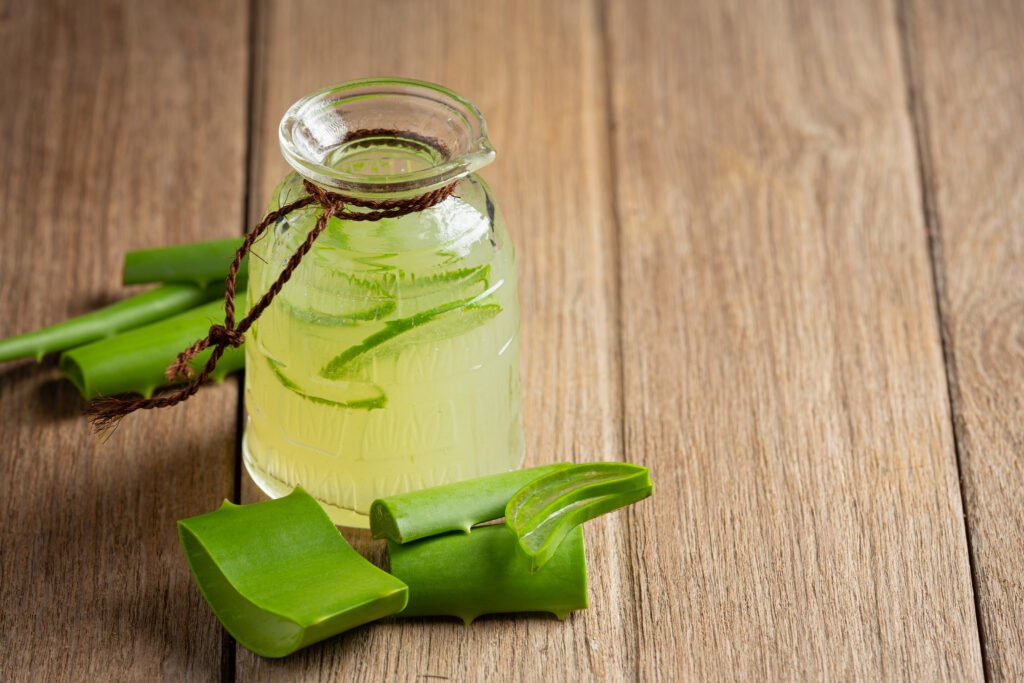
Best Home Remedies for Clear and Acne Free Skin Clear and healthy skin is a dream for many people, but acne, pimples, and dark spots often become a common problem. While there are many skincare products available in the market, not all of them are suitable for every skin type. Some may even cause irritation or long-term damage. That’s why many people are now turning towards natural home remedies. These remedies are simple, affordable, and free from harmful chemicals. With the right approach and consistency, you can achieve clear, glowing, and acne-free skin at home. In this complete guide, you will learn the best home remedies along with extra skincare tips, routines, and mistakes to avoid. 🌿 What Causes Acne? Before starting any treatment, it is important to u understand why acne happens. Acne if not Just a surface problem-it is often linked to internal and factors. Common causes include: Excess oil (sebum) production Clogged pores due to dirt and dead skin Bacteria buildup on the skin Hormonal imbalance Stress and lack of sleep Unhealthy diet Understanding the cause helps you choose the right remedy and prevent future breakouts. 🥒1. Aloe Vera for Soothing and Healing Aloe Vera in one of the most trusted and widely used natural remedies for acne and skin care. It is rich in antibacterial and anti-inflammatory properties, which help reduce acne-causing bacteria while soothing irritated skin, It also contains vitamins and antioxidants that promote healing and improve overall skin health. How to use: Take fresh aloe vera gel directly from the leaf Apply it evenly on acne spots or your entire face Leave it overnight for best results, or at least 20-30 minutes Wash your face with normal water Benefits: Reduces redness, swelling, and irritation Helps heal acne scars over time Keeps the skin naturally hydrated and soft Suitable for almost all skin types 🍯2. Honey for Natural Antibacterial Care Honey is a powerful natural ingredient known for its antibacterial and moisturizing properties. It helps kill acne-causing bacteria while also preventing dryness, which is important for maintaining balanced skin. How to use: Take a small amount of raw (organic) honey Apply it directly on pimples or affected areas Leave it on for 15-20 minutes Rinse off with lukewarm water Benefits: Fights bacteria that cause acne Prevents infections and further breakouts Keeps skin soft, smooth, and moisturized Gives a natural, healthy glow 🍋 3. Lemon for Brightening Skin Lemon is rich in vitamin C and natural acids that help control excess oil and lighten dark spots caused by acne. It also works as a natural astringent that tightens pores. How to use: Mix a few drops of lemon juice with water (very important) Apply gently using a cotton pad Leave it on for 10-15 minutes Rinse with water and apply moisturizer Benefits: Reduces excess oil production Brightens dull skin Helps fade acne marks pigmentation Improves overall skin tone ⚠️ Always do a patch test before using lemon, especially if you have sensitive skin. 🧊4. Ice for Instant Acne Relief Ice is one of the simplest yet very effective remedies for reducing acne inflammation quickly. It helps improve blood circulation and reduces swelling. How to use: Warp an ice cube in a clean cloth Gently press it on the acne area Hold for 1-2 minutes, repeat if needed Benefits: Reduces redness and swelling instantly Helps shrink pores Provides a soothing and cooling effect Works well for sudden breakouts 🫚5. Turmeric for Clear Skin Turmeric is a powerful natural ingredient used for centuries in skincare. It has strong antibacterial and anti-inflammatory properties that help fight acne and improve skin clarity. How to use: Mix a small amount of turmeric with honey or yogurt Apply it as a thin face pack Leave for 10-15  minutes Wash off with lukewarm water Benefits: Fights acne-causing bacteria Reduces inflammation and redness Brightens skin and improves complexion Helps in reducing acne scars gradually 🥣6. Yogurt for Gentle Exfoliation Yogurt contains lactic acid, which works as a natural exfoliator. It helps remove dead skin cells, unclog pores, and improve skin texture without being harsh. How to use: Apply plain, fresh yogurt evenly on your face Leave it for 15-20 minutes Rinse with cool water Benefits: Gently exfoliates the skin Unclogs pores and prevents acne Makes skin soft and smooth Improves overall skin texture and tone 🍃7. Neem for Acne Control Neem is well known for its strong medicinal and antibacterial properties. It is especially effective for treating acne and preventing future breakouts. How to use: Grind fresh neem leaves into a paste (or use neem powder) Apply directly on acne-prone areas Leave it for 10-15 minutes Wash with water Benefits: Kills acne-causing bacteria Prevents new pimples from forming Purifies and cleanses the skin Helps control excess oil 🌹8. Rose Water for Refreshing Skin Rose water is a natural toner that helps maintain the skin’s pH balance. It refreshes the skin and reduces irritation, making it perfect for daily use. How to use: Take a cotton pad and apply rose water all over your face Use it after cleansing your face Can be used daily, morning and night Benefits: Refreshes and revitalizes skin Controls oil production Reduces redness and irritation Gives a clean and fresh feeling 🥔9. Potato Juice for Dark Spots Potato juice is rich in natural bleaching properties that help lighten dark spots and scars over time. How to use: Extract fresh potato juice Apply it to affected areas using cotton Leave it for 15 minutes Wash with water Benefits: Reduces pigmentation and dark spots Brightens dull skin Evens out skin tone Gives a natural glow 🍵10. Green Tea for Acne Control Green tea is full of antioxidants that helps fight bacteria and reduce inflammation. It also helps control oil production, which is one of the main causes of acne. How to use: Brew green tea and and let it cool completely Apply it on your face using cotton or spray Leave it on (no need to wash immediately) Benefits: Reduces excess

Best Home Remedies for Clear and Acne Free Skin Read More »
10 Makeup Tips That Instantly Improve Your Look

10 Makeup Tips That Instantly Improve Your Look Makeup is more than just applying products on your face-it’s an art that enhances your natural beauty and boosts confidence. Whether you’re beginner or someone who loves experimenting with makeup, a few simple techniques can instantly elevate your look. In today’s fast-paced world, we don’t always have hours to spend in front of the mirror. That’s why knowing quick and effective makeup tips can make a huge difference. In this article, we will explore 10 powerful makeup tips that can instantly improve your appearance and help you look polished, fresh, and confident. 1. Start with a Clean and Hydrated Face Before applying any makeup, skincare is the most essential step that should never be skipped. No matter how expensive your makeup products are, if your skin is not properly prepared, the final result will not look smooth or flawless. A clean and hydrated face ats like a perfect canvas. When your skin is well-prepped, makeup sits better, blends easily, and lasts longer throughout the day. If your skin is dry, your foundation may appear patchy and uneven. Dry areas can make makeup cling to certain spots, making your face look dull. On the other hand, if you have oily skin, excess oil can break down your makeup quickly, causing it to slide off or look greasy. To avoid these issues, always follow a simple skincare routine before makeup: Wash your face with a gentle cleanser to remove dirt and oil Apply a lightweight, non-greasy moisturizer suitable for your skin type Use sunscreen during the daytime to protect your skin from damage Hydrated skin not only helps makeup blend smoothly but also gives a natural glow from within. This step alone can instantly improve your overall makeup look and make your skin appear fresh, healthy, and radiant. 2. Use Primer for a Smooth Base Primer is often overlooked, especially by beginners, but it plays a very important role in achieving a flawless makeup look. Think of primer as a base that prepares your skin for makeup application. A good primer help to: Minimize the appearance of pores Smooth out uneven skin texture Control excess oil or dryness Make your makeup last longer If you want your makeup to stay intact for hours without creasing or fading, using a primer is a must. It is also important to choose the right primer based on your skin type: Mattifying primer works best for oily skin as it controls shine. Hydrating primer is ideal for dry skin to add moisture and smoothness Apply a small amount of primer and spread it evenly across your face, focusing on areas like the T-zone  where pores are more visible. This simple step creates a smooth and even surface, making your foundation glide effortlessly and giving your makeup a professional finish instantly. 3. Choose the Right Foundation Shade and Formula Selecting the correct foundation is very important for achieving a natural look. A wrong shade can make your face look unnatural and mismatched with your neck. Always test foundation one your jawline instead of your hand. The correct shade should disappear into your skin without leaving a visible line. Also, consider your skin type: Oily skin: Matte or oil-free foundation Dry skin: Hydrating or dewy foundation Combination skin: Balanced formula The goal is to make your skin look even-toned, not covered or masked. 4. Use Less Product and Build Gradually Applying too much product at once is one of the biggest mistakes beginners make. It can make your makeup look heavy, cakey, and unnatural. Instead, start with a small amount and build coverage slowly. Apply thin layers and blend each layer properly before adding more. This technique gives you better control and helps you achieve a natural, skin-like finish. Remember, makeup should enhance your beauty-not hide it. 5. Master the Art of Blending Blending is the key to flawless makeup. Even the best products will not look good if they are not blended properly. Use tools like brushes or makeup sponges to blend your foundation, concealer, and eyeshadow. Take your time and make sure everything looks smooth and seamless. There should be: No harsh lines No uneven patches No visible product buildup When your makeup blends perfectly into your skin, it looks more natural and professional. 6. Apply Concealer Only Needed Concealer is meant to correct specific areas, not cover your entire face. Using too much concealer can make your makeup look thick and unnatural. Apply concealer on: Dark circles under the eyes Redness around the nose Blemishes or spots Blend it gently into your skin so it looks natural. This targeted approach brightens your face and gives you a fresh, awake look. 7. Shape and Define Your Eyebrows Eyebrows play a very important role in framing your face. Well-groomed brows can instantly improve your overall appearance. Fill in sparse areas using a brow pencil or powder, following your natural shape. Avoid making your brows too dark or overly sharp. Soft, natural-looking eyebrows create a balanced and polished look. Take your time with this step, as it can make a big difference. 8. Add Life to Your Face with Blush After applying foundation, your face may look flat or dull. Blush helps bring back warmth and color to your skin. Choose a shade that complements your skin tone: Light skin: Soft pink Medium skin: Peach or coral Dark skin: Deep rose or berry Apply blush to the apples of your cheeks and blend it upwards. This creates a natural, healthy glow and makes your face look more lively. 9. Enhance Your Eyes Simply Your eyes are one of the most attractive features of your face. Even simple eye makeup can make a big difference. Start by curling your lashes to open up your eyes. Then apply mascara to add length and volume. You can also use: A thin eyeliner for definition Neutral eyeshadow shades for depth Avoid overdoing eye makeup for daily looks. A simple and clean approach often

10 Makeup Tips That Instantly Improve Your Look Read More »

How to Stop Hair Fall Naturally at home

How to Stop Hair Fall Naturally at Home (Complete Guide) Hair fall is one of the most common problems faced by both men and women today. Whether it’s due to stress, pollution, poor diet, or improper hair care, losing hair every day can be frustrating and stressful. The good news is-you don’t always need expensive treatments or chemical products. You can control hair fall naturally at home with simple remedies and lifestyle changes. In this guide, you’ll learn effective, natural, and safe ways to stop hair fall and promote healthy hair growth. Understanding Hair Fall: What’s Normal? Before trying to stop hair fall, it’s important to understand what is normal. Losing 50-100 strands of hair daily is completely normal. However, if you notice excessive hair on your pillow, comb, or shower drain, it might be a sign of a deeper issue. Comm0n Causes of Hair Fall (Detailed Explanation) Hair fall usually doesn’t happen suddenly without any reason. Most of the time, it is a result of multiple internal and external factors working together. Understanding the root cause is the first step to controlling hair fall effectively. 1. Nutritional Deficiency Your hair needs proper nutrition to stay strong and healthy. When your body lacks essential nutrients like protein, iron, zinc, and vitamins, your hair becomes weak and starts falling out more than usual. For example, low iron levels (especially common in women) can reduce oxygen supply to hair follicles, making them weak. Similarly, lack of protein affects hair structure because hair is primarily made of keratin (a type of protein). Signs you may notice: Weak and brittle hair Increased hair shedding Slow hair growth Maintaining a balanced diet is crucial to prevent this type of hair fall. 2. Stress and Anxiety Mental stress is one of the biggest hidden reasons behind hair fall. When you are stressed, your body produces stress hormones that can push hair follicles into a resting phase, leading to excessive hair shedding. This condition is often temporary but can become serious if stress continues for long time. Common triggers: Emotional stress Work pressure Lack of sleep Overthinking Managing stress through relaxation techniques can significantly improve hair health. 3. Hormonal Imbalance Hormones play a major role in hair growth. Any imbalance-especially in women-can lead to hair thinning and hair fall. This is commonly seen during: Pregnancy Menstruation irregularities PCOS (Polycystic Ovary Syndrome) Thyroid disorders Hormonal hair fall usually requires proper diagnosis and sometimes medical support. 4. Poor Hair Care Routine Using the wrong hair care products or following unhealthy habits can damage your hair over time. Common mistakes include: Using harsh chemical shampoo Frequent heat styling (straighteners, curlers) Over-washing or under-washing hair Rough towel drying These habits weaken hair roots and lead to breakage and hair fall. 5. Pollution and Dirt Environmental pollution is another major factor that affects hair health. Dust, dirt, and harmful pollutants settle on your scalp and clog hair follicles. This can lead to: Scalp infections Dandruff Weak hair roots Regular cleaning and proper scalp care are essential to protect you hair from environmental damage. Best Natural Remedies to Stop Hair Fall Natural remedies are safe, affordable, and effective when used consistently. Here are some of the best home treatments explained in detail: 1. Coconut Oil Massage Coconut oil is rich in fatty acids and deeply nourishes the scalp. It penetrates the hair shaft and reduces protein loss. How to use: Take 2-3 tablespoons of coconut oil Warm it slightly (not too hot) Gently massage into your scalp using fingertips Leave overnight or at least 1 hour before washing Benefits: Improves blood circulation Strengthens hair roots Reduces dryness and breakage Pro Tip: Use it 2-3 times a week for best results. Onion juice is known for its high sulfur content, which collagen production and improves hair growth. How to use: Blend or grate an onion and extract the juice Apply directly to the scalp using cotton Leave for 20-30 minutes Wash with a mild shampoo Benefits: Strengthens hair follicles Promotes regrowth Reduces hair thinning Tip: Use once or twice a week to avoid scalp irritation. 3. Aloe Vera for Hair Health Aloe vera has soothing and healing properties that improve scalp How to use: Take fresh aloe vera gel Apply directly to your scalp Leave for 30-40 minutes Rinse with lukewarm water Benefits: Reduces dandruff Balances scalp pH Makes hair soft and shiny 4. Fenugreek (Methi) Hair Mask Fenugreek seeds are packed with protein and nutrients that strengthen hair roots. How to use: Soak 2 tablespoons of methi seeds overnight Grind into a smooth paste Apply to scalp and hair Leave for 30 minutes, then rinse Benefits: Prevents hair thinning Improves hair texture Adds natural volume 5. Egg Hair Mask Eggs are a great source of protein and biotin, essential for hair strength. How to use: Mix 1 egg with 1 tablespoon olive oil Apply evenly to hair and scalp Leave for 20 mintues Wash with cool water (avoid hot water) Benefits: Repairs damaged hair Adds shine Reduces breakage Healthy Diet for Hair Growth (Expanded) A proper diet plays a major role in controlling hair fall. Without internal nourishment, external treatments won’t be fully effective. Key Nutrients You Need: Protein: Builds hair structure (eggs, fish, lentils) Iron: Improves oxygen supply to hair roots (spinach, beetroot0 Vitamin C: Helps iron absorption (oranges, lemon) Biotin: Strengthens hair (nuts, bananas) Omega-3 Fatty Acids: Nourishes scalp (flaxseeds, walnuts) Extra Tip: Drink at least 7-8 glasses of water daily. Hydration keeps your scalp healthy and prevents dryness. Lifestyle Changes to Reduce Hair Fall 1. Reduce Stress stress control is essential. Practice yoga, meditation, or even simple breathing exercises daily. 2. Get Proper Sleep Your body repairs itself during sleep. Aim for 7-8 hours of quality sleep every night. 3. Avoid Heat Styling Excessive heat damages hair proteins and causes breakage. Try to air-dry your hair whenever possible. 4. Use Mild Shampoo Always choose a sulfate-free and gentle shampoo to avoid scalp irritation. 5. Don’t Tie Hair Too Tight

How to Stop Hair Fall Naturally at home Read More »

Simple Body Care Routine for Soft and Healthy Skin

Simple Body Care Routine for soft and Healthy Skin Healthy, soft, and glowing skin is something everyone desires, but many people think it requires expensive products or complicated routines. In reality, achieving beautiful skin is all about consistency, simplicity, and understanding your body’s needs. A well-balanced body care routine can improve not only your skin’s appearance but also your confidence and overall well-being. In this blog, you will learn a simple yet effective body care routine that is completely unique, easy to follow, and perfect for maintaining soft and healthy skin. What Does ”Healthy Skin” Really Mean? Healthy skin is not just about fairness or glow-it means your skin is: Smooth and soft to touch Well-hydrated Free from irritation or excessive dryness Even in tone and texture When your skin is properly cared for, it naturally looks radiant needing products. The Secret Behind Soft Skin Soft skin is the result of three basic things: Clean skin (free from dirt and sweat) Hydrated skin (proper moisture balance) Nourished skin (vitamins and care) If you focus on these three pillars, your body care routine becomes simple and effective. Step-by-step Daily Body Care Routine Let’s brake down a simple routine that you can follow every day. 1. Start with Gentle Cleansing Your day should begin with cleansing your body properly. Dirt, oil, and sweat build up on your skin, and if not removed, they can cause dullness and breakouts. How to do it right: Use a mild body wash or soap Avoid strong fragrances or harsh chemicals Use lukewarm water instead of hot water Hot water may feel relaxing, but it removes natural oils and makes your skin dry. Pro Tip: If your skin feels tight after bathing, your cleanser may be too harsh. 2. Pat Dry, Don’t Rub After bathing, many people rub their skin with a towel aggressively. This can damage the skin barrier and cause irritation. Better method: Gently pat your skin dry Leave a little moisture on the skin This helps your moisturizer absorb better. 3. Moisturize Immediately Moisturize is the most important step in any body care routine. When your skin is slightly damp, it absorbs moisture more effectively. Applying lotion or oil at this stage locks hydration into your skin. Choose wisely: Light lotion for oily skin Cream or body butter for dry skin Natural alternatives: Coconut oil for deep hydration Aloe vera for soothing Almond oil for softness 4. Don’t Skip Sunscreen Most people apply sunscreen only on their face, but body is equally exposed to sunlight. Why it matters: Prevents tanning Protects from harmful UV rays Reduces early aging signs Apply sunscreen on: Arms Neck Legs Hands Even if you are indoors, sunlight can still affect your skin. Weekly Body Care Routine (Glow Boosting Steps) While daily care helps maintain your skin, a proper weekly routine is what truly enhances your skin’s texture, softness, and natural glow. Think of it as a deeper level of care that removes buildup, nourishes your skin, and restore its restores its freshness. By dedicating just a little extra time each week, you can visibly improve how your skin looks and feels. 1. Exfoliate to Remove Dead Skin Over time, dead skin cells accumulate on the surface of your body. This buildup can make your skin look dull, rough, and uneven. Exfoliation is the process of gently removing these dead cells, allowing fresh and smoother skin to come forward. When you exfoliate regularly, your skin not only feels softer but also absorbs moisturizers and oils more effectively. This step is essential if you want naturally glowing and healthy skin. How often should you exfoliate? Exfoliating 2-3 times a week is ideal for most skin types. If you have sensitive skin, you can reduce it to once a week to avoid irritation. DIY  scrubs you can try at home: Sugar + Honey: A gentle scrub that hydrates while exfoliating Coffee + Coconut Oil: Helps improve circulation and gives a natural glow Rice Flour + Milk: Brightens skin and smoothens texture Important Tip: Always be gentle while scrubbing. Avoid applying too much pressure, as over-scrubbing can damage your skin barrier and lead to redness or sensitivity. Use soft, circular motions and focus more on rough areas like elbows, knees, and heels. 2. Try a Natural Body Mask Body masks are often overlooked, but they can do wonders for your skin. Just like face masks, body masks help in deep cleansing, nourishing, and brightening your skin. Using a natural body mask once a week can improve your skin tone, reduce dullness, and make your skin feel refreshed. Simple homemade body mask: 2 tablespoons gram flour (besan) A pinch of turmeric Milk or yogurt (to from a smooth paste) Apply the mixture evenly across your body and leave it on for 15-20 minutes. Once it dries slightly, rinse it off with lukewarm water. This traditional remedy helps in: Brightening the skin Reducing tan Making skin soft and smooth It is especially useful if you prefer natural and chemical-free skincare. 3. Weekly Oil Massage A weekly oil massage is one of the most relaxing and beneficial steps in a body care routine. It not only nourishes your skin deeply but also improves overall blood circulation. Massaging your body with oil allows nutrients to deeper layers of the skin, making it softer, healthier, and more radiant over time. Benefits of oil massage: Coconut oil for deep hydration Olive oil for nourishment Almond oil for softness and glow How to use: Warm the oil slightly and massage your body using gentle strokes. Leave it on for 20-30 minutes before taking a bath. This allows your skin to absorb maximum nutrients. Dry Care Based on Skin Type Every person’s skin is different, and understanding your skin type is important for choosing the right routine. A customized approach ensure better results and prevents skin issues. Dry Skin Routine Dry skin often feels tight, rough, and sometimes flaky. It needs extra care and intense hydration. What you should do:

Simple Body Care Routine for Soft and Healthy Skin Read More »

Quick Hairstyle You Can Do in 5 Minutes

20 Quick Hairstyles You Can Do in 5 Minutes (Easy, Stylish & Beginner-Friendly In today’s lifestyle, managing time for self-care can be difficult-especially when it comes to hairstyling. Whether you’re rushing to college, heading to the office, or going out with friends, spending 20-30 minutes on your hair isn’t always practical. That’s why quick hairstyles are a lifesaver. With just 5 minutes and a few simple tools, you can transform your look from messy to stylish. The best part? These hairstyles are beginner-friendly and don’t require professional skills. In this blog, you’ll discover 20 easy hairstyles that you can do in under 5 minutes-perfect for everyday use while still looking confident and beautiful. Why 5-Minute Hairstyles Are So Useful Quick hairstyles are not just about saving time-they make your daily routine smoother and stress-free. Ideal for busy mornings No need for expensive styling tools Suitable for all hair repeat Easy to learn and repeat Helps you look neat and confident every day Basic Tools You’ll Need Before trying these hairstyles, keep these essentials ready: Hairbrush or comb Hair ties Bobby pins Claw clips Hair serum or light oil These simple items can help you create multiple styles quickly and easily. 20 Easy Hairstyles You Can Do in 5 Minutes 1. Classic Low Bun The classic low bun is a timeless and elegant hairstyle that works perfectly for both everyday wear and formal occasions. It gives a neat and graceful appearance without requiring much effort. Gather your hair at the nape Twist and wrap into a bun Secure with pins Tips: Leave a few strands loose for a soft look. 2. High Ponytail The high ponytail is one of the quickest and most refreshing hairstyles you can do. It gives a clean, energetic, and confident look. Simply pull all your hair up toward the crown of your head and secure it tightly with a hair tie. Pull hair up high Tie securely Best for: Workouts or busy days 3. Messy Bun The messy bun is all about effortless beauty and relaxed style. It’s perfect for casual days when you want to look stylish without trying too hard. Gather your hair loosely and twist it into a bun. Don’t worry about making it perfect-pull out a few strands to enhance the messy effect. Make a loose bun Pull out some strands Tip: Don’t make it too perfect-that’s the style! 4. Half-Up Half-Down This hairstyle offers the best of both words-keeping some hair tied while letting the rest flow freely. Take the top section of your hair and tie it into a small ponytail or bun, leaving the rest open. Take top section Tie into a mini pony Best for: Collage, casual outings, or day-to-day wear. Bonus: It keeps your face clear while still showing off your hair length. 5. Side Braid A side braid adds a soft and charming touch to your overall look. Sweep your hair to one side and create a loose braid. You can keep it slightly messy for a more relaxed vibe. Sweep hair to one side Create a loose braid Tip: A loose braid looks more modern and stylish than a tight one. 6. Top Knot The top knot is a practical and stylish hairstyle, especially during hot weather. Start by tying a high ponytail, then warp the hair  around into a bun and secure it with pins. Tie a high pony Wrap into a bun Bonus:  It keeps your face and neck, making it very comfortable. 7. Claw Clip Twist This trendy hairstyle is both quick and gentle on your hair. Twist your hair upward and secure it with a claw clip. Twist hair upward Secure with claw clip Best for: A modern, effortless casual look. Extra Tip: It helps reduce hair breakage compared to tight hair ties. 8. Sleek Open Hair Sleek open hair is simple yet polished, perfect for a clean and sophisticated look. Brush your hair neatly and apply a serum to add shine reduce frizz. Choose either a middle part or a side part. Comb neatly Apply serum Tip: Smooth, frizz-free hair makes this style look more elegant. Choose middle or side part. 9. Double Ponytails Double ponytails create a fun, youthful, and playful appearance. Divide your hair into two equal sections and tie each side into a ponytail. Divide hair into two Tie both sides Best for: Casual outings or when you want a cute, lively look. 10. Braided Ponytail This hairstyle upgrades a regular ponytail into something more stylish. Start by making a ponytail, then braid the length of the hair and secure it at the end. Make a ponytail Braid it Result: A neat, stylish, and long-lasting hairstyle. 11. Twisted Front Sections This hairstyle adds a touch of elegance with minimal effort. Take two small Twist two front sections Pin at the back Perfect for: Small events. 12. Bubble Ponytail The bubble ponytail is trendy, unique, and eye-catching. Make a ponytail and add hair ties every few inches. Gently pull each section to create a ”bubble” effect. Make a ponytail Add elastics every few inches Tip: Loosen each section slightly to add volume and shape. 13. Side Part Open Hair A simple change in your hair parting can completely transform your look. Switch from a middle part to a side part and leave your hair open. Change your hair parting Result: Instant volume and fresh, stylish appearance. 14. Mini Braids with Open Hair This hairstyle gives a trendy and boho-inspired vibe. Keep your hair open and add a few small braids on the sides. Add small braids on sides Best for: Casual, stylish, and modern looks. 15. Low Twisted Ponytail The low twisted ponytail is simple yet elegant. Twist sections from both sides of your head and combine them into a low ponytail at the back. Twist both sides Combine into low pony Perfect for: Office, dates, or formal settings. 16. Quick French Braid The French braid may look complex, but it becomes easy with practice. Start from

Quick Hairstyle You Can Do in 5 Minutes Read More »

benefits of aloe vera for hair growth

Aloe Vera for Hair Growth : Benefits & How to Use

⦿ How to Use Aloe Vera for Faster Hair Growth and Thickness Aloe vera for hair growth is one of the most popular natural remedies used in hair care. This powerful plant contains vitamins and enzymes that help nourish the scalp, reduce hair fall, and improve hair. Healthy, thick, and shiny hair is something many people want, but problems like hair fall, dandruff, dryness, and slow hair growth have become very common today. Pollution, stress, unhealthy food habits, and excessive use of chemical hair products can damage the scalp and weaken hair roots. Because of these problems, many people are now looking for natural remedies that are safe and effective. One of the most trusted ingredients for hair care is aloe vera. Aloe vera has been used for centuries in traditional medicine and beauty treatments. Its nutrient-rich gel can nourish the scalp, strengthen hair roots, and improve overall hair health. In this complete guide, you will learn how aloe vera helps hair growth, its benefits, and the best ways to use aloe vera gel for thicker and healthier hair. ◎ What is Aloe Vera and Why Is It Good for Hair? Aloe vera is a succulent plant known for its thick, fleshy green leaves that contain a clear gel inside. This gel has a smooth and slightly slippery texture and is widely used in skin care, hair care, and natural medicine. The gel is packed with important nutrients that support healthy hair growth and scalp health. Some of the key nutrients present in aloe vera include: Vitamin A Vitamin C Vitamin E Vitamin B12 Folic acid Amino acids Antioxidants High water content These nutrients help repair damaged hair, hydrate the scalp, and support stronger hair growth naturally. ◈ Benefits of Aloe Vera for Hair GET MORE DETAILS! CLICK HERE   Before learning how to use aloe vera, it is important to understand why it is so effective for hair care. 1. Supports Healthy Hair Growth Aloe vera helps improve blood circulation in the scalp. Better blood flow allows hair follicles to receive more oxygen and nutrients, which encourages stronger and faster hair growth. 2. Strengthens Hair Roots The vitamins and minerals found in aloe vera nourish the hair roots and reduce breakage. Stronger roots mean less hair fall and healthier hair over time. 3. Helps Reduce Dandruff Dandruff is often caused by dryness or fungal infections on the scalp. Aloe vera has natural antifungal and antibacterial properties that help soothe the scalp and reduce dandruff . 4. Moisturizes the Scalp Aloe vera acts like a natural conditioner. It hydrates the scalp and helps prevents dryness, which is important for maintaining healthy hair. 5. Improves Hair Texture Regular use of aloe vera can make hair smoother, soft, and shinier. It also helps repair damage caused by heat styling or chemical treatments. ◉ How to Extract Fresh Aloe Vera Gel Using fresh aloe vera gel is one of the best way to get maximum benefits for your hair. Follow these simple steps: Take a fresh aloe vera leaf from the plant. Wash the leaf properly to remove dirt. Trim the scalp edges on both sides. Cut the leaf lengthwise. Use a spoon to scoop out the clear gel inside. ⚠️ Tip: Remove the yellow latex layer because it may cause scalp irritation for some people. ◇Best Ways to Use Aloe Vera Gel for Hair Growth   There are several effective ways to include aloe vera in your hair care routine. 1. Aloe Vera Gel for Scalp Massage This is one of the simplest and most effective methods . Steps Take 2-3 tablespoons of fresh aloe vera gel. Apply it directly to your scalp. Massage gently using your fingertips for 5-10 minutes. Leave it on your scalp for 30-60 minutes. Wash your hair using a mild shampoo. Frequency Use this treatment 2-3 times per week for best results. Benefits Improves blood circulation Strengthens hair roots Supports natural growth 2. Aloe Vera and Coconut Oil Hair Mask Combining aloe vera with coconut oil creates a powerful hair mask that deeply nourishes the scalp . Ingredients 2 tablespoons aloe vera gel 1 tablespoon coconut oil Steps Mix aloe vera gel and coconut oil in a bowl . Apply the mixture to your scalp and hair . Massage gently for a few minutes . Leave it for about 40 minutes . Wash your hair with a mild shampoo . This mask helps reduce dryness and makes hair softer and thicker. 3. Aloe Vera and Onion Juice Treatment Onion juice is known to support hair growth because it contains sulfur, which strengthens hair follicles. Ingredients 2 tablespoons aloe vera gel 1 tablespoon onion juice Steps Mix both ingredients properly. Apply the mixture to your scalp. Leave it for about 30 minutes. Wash your hair with shampoo. This treatment can help reduce hair fall and stimulate new hair growth . 4. Aloe Vera and Castor Oil Hair Treatment Castor oil is often used to improve hair thickness and strength. Ingredients 2 tablespoons aloe vera gel 1 tablespoon castor oil Steps Mix the aloe vera gel and castor oil together. Apply it to your scalp and hair. Massage gently for a few minutes. Leave it overnight if possible. Wash your hair in the morning . Regular use can help make hair thicker and stronger. ☑ Who Should Use Aloe Vera for Hair? Aloe vera can be helpful for people who experience: Hair thinning Hair fall Dry scalp Dandruff Slow hair growth Damaged hair from chemical treatments Because it is natural and gentle, aloe vera is suitable for most hair types. ✲ How Long Does Aloe Vera Take to Show Results? Natural remedies usually require consistency and patience. When aloe vera is used regularly two to three times per week, visible improvements in scalp health and hair texture may appear within 3-6 weeks. However, results may vary depending on hair type, diet, and overall hair care routine. ➱ Tips for Best Results To get the maximum benefits from aloe vera,

Aloe Vera for Hair Growth : Benefits & How to Use Read More »